Estimated reading time: 9 minutes
Working with a personal trainer is a smart choice for people who want focused support, better structure, and safer progress toward their fitness goals. The right trainer can help you stop guessing, use your time well, and build a plan that fits your body, schedule, and lifestyle. For anyone deciding who should work with a personal trainer, the answer often starts with a need for clearer direction, stronger accountability, and workouts that feel purposeful from the first session.
At Body360 Fit, personal training is built for professionals and adults 35 and older who want a private, efficient, results- driven experience without the distractions of a crowded gym. Sessions take place in an exclusive Beverly Grove studio where every workout is planned around you. Whether you are starting exercise for the first time, returning after time away, managing an old injury, or aiming to build strength, a certified trainer provides the guidance and accountability needed to move forward with confidence.
A personal trainer is especially helpful when you want a clear path. Many people try random workouts, online plans, or group classes, then feel frustrated when progress stalls. Personal trainers can teach you proper techniques, adjust your program as your body changes, and help you stay consistent when life gets busy.
For busy professionals, adults 35 and older, beginners, and people with specific strength, fat loss, mobility, or longevity goals, private training can turn fitness into a sustainable part of daily life. With the right coach, every session has a purpose, every movement has a reason, and every adjustment supports long-term health.
How Personal Trainers Work with Busy Professionals
A demanding schedule can make fitness feel difficult to maintain. Meetings, family needs, travel, and long workdays often leave little room for trial-and-error workouts. That is where a personal trainer can make a major difference.
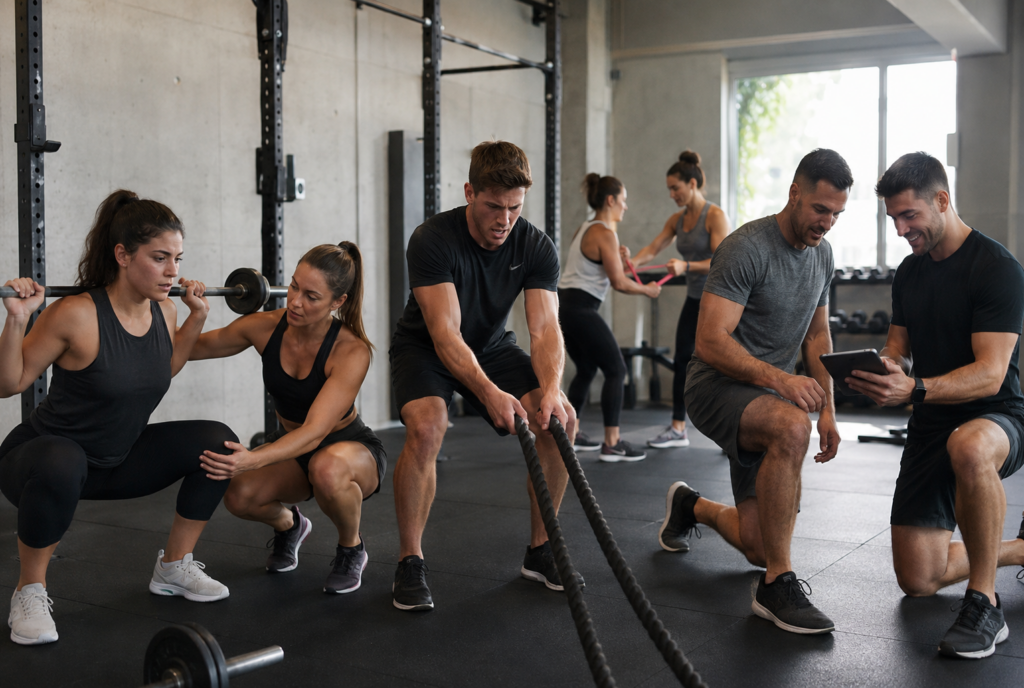
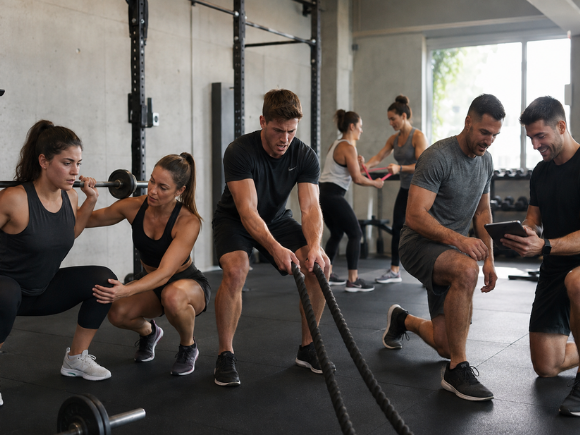
For busy clients, the value comes from doing the right work, not simply doing more work. A trainer may use compound movements, strength circuits, mobility drills, conditioning intervals, or corrective strategies based on what your body needs. The goal is to make each minute count.
Private training also removes common gym distractions. You can focus on form, breathing, pacing, and effort without the noise and interruptions often found in a public gym. That setting helps many clients stay present and train with greater intent.
A personal trainer can help busy professionals who want to:
- Build strength without spending hours in the gym
- Lose weight with a realistic training plan
- Improve posture, mobility, and movement quality
- Stay consistent despite a packed schedule
- Train safely after time away from exercise
- Receive clear coaching instead of guessing what to do
Body360 Fit also supports clients who want a high-touch experience. Your coach tracks progress, adjusts sessions based on performance, and helps you build habits that fit your schedule. That level of attention makes training feel less overwhelming and far easier to maintain.
If your time is limited, the right trainer helps you use it with purpose.
Why Beginners Benefit from Personal Training and Exercise Coaching
Many beginners ask whether they should get a personal trainer before joining a gym or starting a routine. For most people, the answer is yes, especially if they want to learn proper form and avoid common mistakes.
Starting alone can feel confusing. You may not know which exercises to choose, how much weight to lift, how often to train, or how hard to push. Online workouts can help with ideas, but they cannot watch your form, correct your movement, or adjust the plan based on your body.
A certified personal trainer gives you a safer starting point. At Body360 Fit, new clients can begin with a functional movement screen that helps identify strengths, limitations, imbalances, and movement patterns. That assessment gives your trainer a clearer picture of how to build your program.
Beginners often benefit from personal training because it teaches the basics in a way that feels approachable. You learn how to squat, hinge, press, pull, brace, breathe, and recover. You also learn how to train with control instead of rushing through
movements.
A private studio can be especially helpful for people who feel nervous in a crowded gym. You don’t have to compare yourself to others or feel unsure about equipment. Your trainer guides the session from start to finish, answers questions, and helps you build confidence one workout at a time.
| Training Need | How a Personal Trainer Helps | Why It Matters |
|---|---|---|
| Learning proper techniques | Coaches form, posture, and movement control | Reduces injury risk and builds confidence |
| Building a routine | Creates a realistic training schedule | Helps exercise become consistent |
| Weight loss support | Combines strength, conditioning, and accountability | Makes progress easier to track |
| Muscle building | Plans progressive strength work | Supports steady gains without guesswork |
| Injury history | Adjusts exercises around limitations | Helps prevent setbacks |
| Busy lifestyle | Keeps sessions focused and efficient | Saves time while supporting results |
Personal trainers work best when they meet you where you are. A beginner doesn’t need to train like an athlete on day one. A good coach builds the foundation first, then increases challenge as skill and strength improve.
That process helps you avoid burnout. Instead of starting too hard, getting sore, and quitting, you learn how to build momentum with a program that fits your ability and goals.
Personal Training for Weight Loss, Strength, and Muscle Goals
People often look for a personal trainer when they want to lose weight, build muscle, or change body composition. Those goals are common, but they require a plan that goes beyond random exercise.
A personal trainer provides structure. Your program may include strength training, conditioning, mobility, recovery work, and progress tracking. Each piece has a role. Strength training helps build lean muscle. Conditioning improves stamina. Mobility supports better movement. Recovery helps your body adapt.
For weight loss, a trainer can help you train consistently while protecting your joints and energy. Many people make the mistake of doing only high-intensity workouts or cardio. That may work for a short period, but it can also lead to fatigue, soreness, and frustration. A balanced plan is usually easier to maintain.
For muscle building, a trainer helps you use progressive overload safely. That means increasing the challenge over time through weight, reps, sets, tempo, range of motion, or exercise selection. Your coach watches your form and makes changes when needed, so you can build strength without sacrificing technique.
A trainer provides another major advantage: accountability. When you have scheduled sessions, clear goals, and someone tracking your effort, it becomes harder to drift away from the plan. You also get support when progress slows, which is normal during any fitness program.
At Body360 Fit, training is personal. Your coach looks at how you move, how you cover, what your schedule allows, and what results matter most to you. That allows the program to support your life instead of competing with it.
Personal training can support several goals at once, including strength, fat loss, mobility, conditioning, balance, and overall health. The difference is that your trainer
helps prioritize those goals so your plan stays clear and manageable.
When Injury History or Pain Makes Coaching Important
If you’ve dealt with lower back pain, joint discomfort, a previous injury, or long periods of inactivity, a personal trainer can help you return to exercise with better control. Training after pain or injury should not be based on guesswork.
A trainer is not a replacement for medical care or physical therapy. However, once you are cleared to exercise, an experienced personal trainer can help bridge the gap between rehab and regular training.
The trainer experience matters here because safe programming requires careful observation, patience, and smart progressions.
At Body360 Fit, trainers use movement assessment and ongoing feedback to guide exercise selection. If a movement causes discomfort, your coach can modify the range of motion, adjust load, change the angle, or choose a better option. That approach keeps you moving while respecting your body’s limits.
For clients dealing with stiffness, imbalance, lingering discomfort, or movement limitations, training may focus on mobility, stability, functional strength, and better movement control. When movement restrictions show up during the assessment, the plan may include corrective exercise, mobility work, stability training, and strength progressions matched to the client’s current ability. For lower-body limitations, your trainer may adjust exercises, improve movement mechanics, and build strength through controlled progressions.
A personal trainer provides real-time form checks that are difficult to get from a video or app. Small corrections can make a big difference. Foot position, rib position, grip, tempo, and breathing can all affect how an exercise feels.
Personal trainers can also help clients avoid doing too much too soon. Many people feel motivated after an injury and try to jump back into old workouts. A coach helps you progress in a way that supports long-term consistency.
If pain has made you hesitant to train, private coaching can rebuild trust in your body. The goal is not only to complete workouts. The goal is to move with more confidence in daily life.
Personal Trainer, Fitness Instructor, or Fitness Coach: Which Is Right?
The fitness world includes many roles, and it helps to understand the difference between them. A personal trainer, fitness instructor, and fitness coach may all support exercise, but they do not always provide the same level of individual attention.
A fitness instructor often leads group classes. That can be motivating and fun, but the workout is usually designed for the group. The instructor may offer general cues, but there is limited time to assess each person’s form, injury history, and goals.
A fitness coach may provide broader support, depending on credentials and setting. Some coaches focus on habits, motivation, programming, or lifestyle guidance. The term can vary widely, so it is important to ask about qualifications and experience.
A certified personal trainer works directly with the individual. At Body360 Fit, that means one-on-one coaching, personalized programming, movement assessment, form correction, and adjustments based on progress. The trainer provides a structured plan that is specific to your body and your goals.
Here is a simple way to think about it:
- Choose a fitness instructor if you enjoy group energy and general workouts.
- Choose a personal trainer if you want individual coaching, safer progress, and a plan built around you.
- Choose a certified personal trainer with corrective experience if you have injuries, limitations, or specific performance goals.
For clients who want privacy, accountability, and a highly personalized experience, Body360 Fit’s private training model is a strong fit. Your trainer provides focused attention without the distractions of a crowded setting. That makes it easier to ask questions, learn proper movement, and stay engaged with the process.
The right support depends on your goals. If you want a program that adapts to your
schedule, ability, and progress, one-on-one training offers the most direct path.
Start with a Functional Movement Screen
Working with a personal trainer is a smart fit if you want better direction, safer workouts, and support that matches your lifestyle. At Body360 Fit, every session is built around focused coaching, efficient training, and a private studio experience designed for real progress.
If you are ready to train with more structure and confidence, schedule a complimentary Functional Movement Screen at Body360 Fit. You will meet with a trainer, learn how your body moves, and get a clearer plan for reaching your fitness goals.
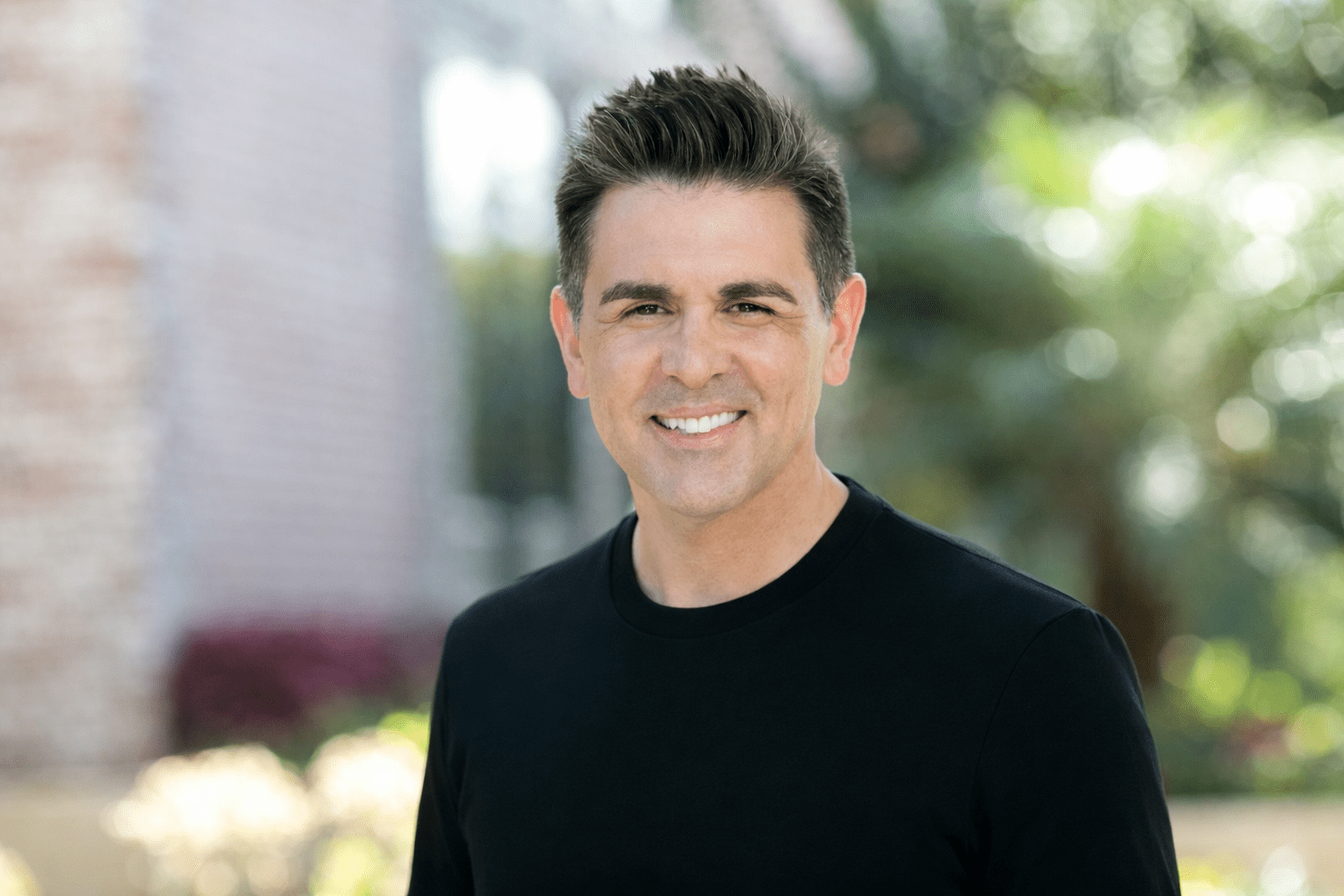
— Christian Graham
Founder, Body360 Fit

![Full Body Kettlebell Workout [PDF] | Body360 Fit](https://body360fit.com/wp-content/uploads/2021/01/Full-Body-Kettlebell-Workout-PDF.png)