Estimated reading time: 8 minutes
If you’ve been asking, “should I get a personal trainer,” the best answer depends on your goals, current fitness level, schedule, and ability to stay consistent on your own. Some people do well training themselves. Others make faster, safer, and steadier progress with a coach who can build the plan, guide technique, and hold them accountable.
A personal trainer can be especially helpful if you feel stuck, unsure how to start, or frustrated by workouts that do not lead to visible change. Many adults over 35 also notice that the same approach they used years ago no longer works the same way. Recovery changes. Stress adds up. Old injuries or stiffness may affect movement. Fat loss may require a smarter plan than simply exercising harder.
At Body360 Fit, personal training is built for professional men and women who want strength, fat loss, better movement, and longterm health without extreme routines. The goal is to help you train with purpose, build habits that fit real life, and make progress you can maintain.
When a Personal Trainer Is Worth Considering
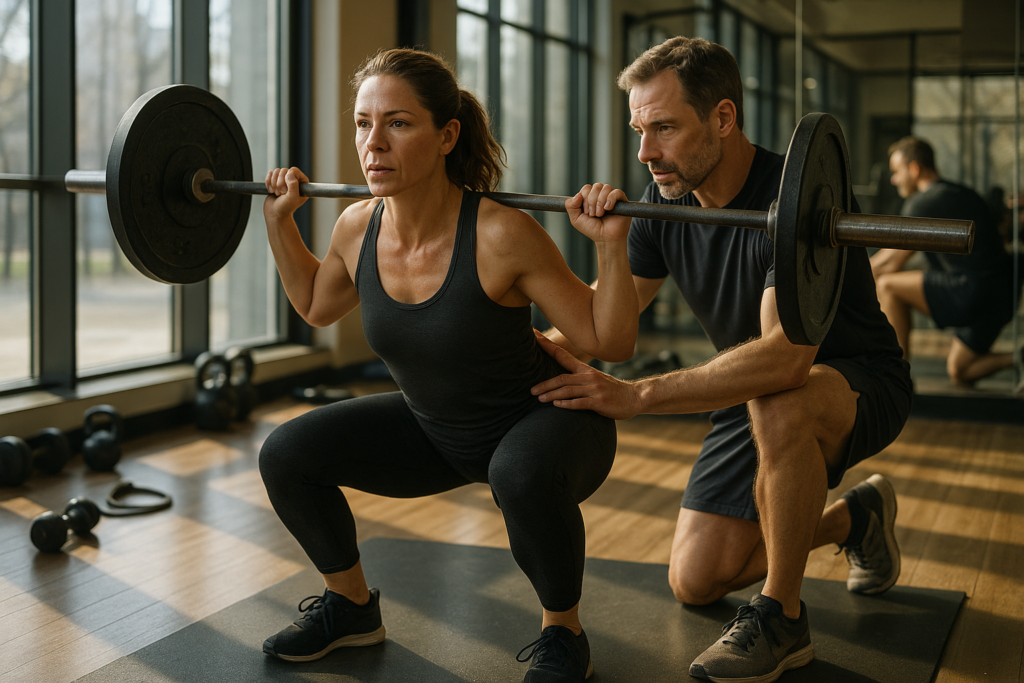
A personal trainer may be worth it when you need structure, direction, and expert feedback. Many people join a gym with good intentions, but quickly lose momentum because they do not know what to do next. Others repeat the same workouts for months without seeing much progress.
A good trainer helps you turn broad goals into a clear plan. Instead of guessing which exercises to choose, how many days to train, or how hard to push, you get a program based on your body and your goals.
Personal training may be a smart choice if you:
- Feel unsure how to start at the gym
- Want fat loss but struggle with consistency
- Need help building strength safely
- Have old injuries, stiffness, or movement limitations
- Keep starting and stopping workout plans
- Want better technique and fewer aches
- Need accountability to stay on track
- Have you hit a plateau with your current workouts
- Want a plan that fits a demanding work schedule
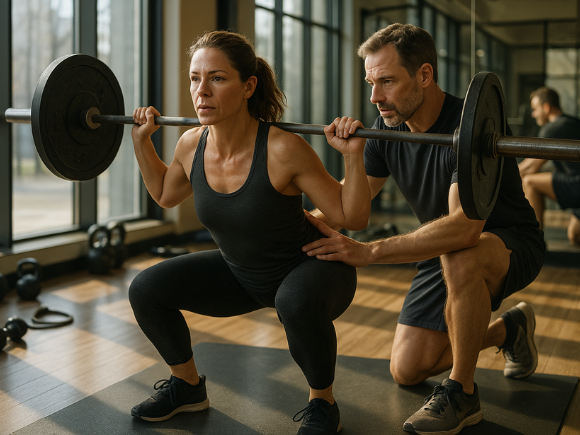
For beginners, working with a personal trainer can remove confusion and help build confidence. For people with experience, a coach can improve technique, adjust programming, and identify habits that may be slowing progress.
Trainer knowledge also matters when your goals involve strength, fat loss, and health after 35. A skilled fitness coach can help you train hard enough to improve without pushing your body into unnecessary setbacks.
How Personal Training Supports Strength, Fat Loss, and Movement
Personal training works best when it looks at the whole picture. A strong program should include exercise, movement quality, recovery, nutrition habits, and progress tracking. These pieces work together, especially for busy adults who want lasting results.
Movement restoration is often the first step. When your body moves better, exercises feel smoother and more productive. Better movement also helps reduce strain during strength training, making consistency easier.
Strength training is another major part of the process. Building muscle supports body composition, energy, posture, and long-term function. For adults over 35, strength is not only about looking better. It also supports daily life, confidence, and independence.
Fat loss also benefits from structured coaching. A trainer can help you build workouts that support your goal while guiding nutrition habits that fit your schedule. That may include protein targets, meal planning, hydration, portion awareness, or simple changes that make eating easier during busy workweeks.
| Goal | How a Personal Trainer Helps | Why It Matters |
|---|---|---|
| Fat loss | Builds a realistic exercise and habit plan | Supports steady progress without extreme routines |
| Strength | Teaches proper technique and progression | Helps you train safely and build confidence |
| Movement | Assesses limitations and adjusts exercises | Reduces discomfort and improves workout quality |
| Accountability | Tracks sessions, habits, and progress | Makes consistency easier during busy weeks |
| Long-term health | Connects training, recovery, and lifestyle | Helps fitness become part of daily life |
A good trainer does not just make workouts harder. They make them more effective.
Why Accountability Can Change Your Fitness Journey
Most people do not fail because they lack information. They fail because consistency is hard. Work gets busy. Motivation drops. Travel interrupts routines. Family needs come first. Stress makes workouts easier to skip.
Personal training can increase accountability by giving your workouts structure and priority. A scheduled session is harder to ignore than a vague plan to “go to the gym later.” When someone is expecting you, tracking your progress, and adjusting the plan, it becomes easier to stay engaged.
Accountability also helps when progress feels slow. A coach can remind you what is improving, even before the scale or mirror catches up. Strength may improve. Energy may rise. Sleep may get better. Movement may feel easier. These signs matter, and they help you stay committed.
For busy professionals, accountability needs to be realistic. A good trainer shouldn’t expect perfection. They should help you adapt. If work travel interrupts your week, your coach can give you a hotel workout. If stress is high, the session can shift toward movement, strength maintenance, or recovery. If nutrition gets inconsistent, your coach can help you reset without guilt.
Simple ways a trainer supports accountability include:
- Scheduling workouts in advance
- Tracking strength, habits, and progress
- Checking in between sessions
- Adjusting plans during busy weeks
- Helping you return after missed workouts
- Setting realistic short-term goals
- Keeping your focus on steady improvement
This kind of support can turn fitness from something you keep restarting into something you learn to maintain.
Personal Trainer vs. Training Yourself
Some people can train themselves successfully. If you already understand exercise programming, have strong technique, stay consistent, and know how to adjust your plan, solo training may work well.
Training yourself can also be a better idea if you enjoy full flexibility, have a tight budget, or already have a routine that delivers steady progress. The question is not whether everyone needs a trainer. The question is whether outside coaching would help you move forward faster, safer, or with less frustration.
A personal trainer may be the better choice if you feel unsure, stuck, or inconsistent. A trainer can help beginners learn the basics, but coaching is not only for beginners. Many experienced gym-goers hire trainers to improve technique, break plateaus, support injury-aware training, or prepare for new goals.
There are also disadvantages of a personal trainer if the fit is wrong. A poor coach may use generic workouts, ignore your feedback, push too hard, or fail to explain the plan. That is why choosing the right trainer matters.
Look for a good trainer who asks questions before giving answers. They should want to understand your health history, goals, schedule, stress level, injuries, and previous workouts. They should also explain how they will track progress and adjust the plan.
How to Decide If You Should Hire a Fitness Coach
Before hiring a fitness coach, look honestly at what you need most. If your biggest obstacle is not knowing what to do, a trainer can give you structure. If your biggest obstacle is follow-through, a trainer can help with accountability. If your biggest obstacle is pain, stiffness, or poor technique, a trainer can help you move better.
You should also consider your goals. If you want to achieve body change, improve health markers, or feel stronger after 35, the right support may save time and reduce frustration. Personal trainers can help clients avoid wasted effort by focusing on the actions that matter most.
Ask yourself these questions:
- Have I been consistent for the last three months?
- Do I know which workouts match my goals?
- Am I making measurable progress?
- Do I feel confident with exercise technique?
- Do I know how to adjust when life gets busy?
- Am I dealing with pain, stiffness, or old injuries?
- Would outside accountability help me stay committed?
- Do I want support with nutrition habits?
If several answers point to confusion, inconsistency, or stalled progress, personal training may be worth considering.
Cost is another factor. Some people ask whether investing in a personal trainer is worth it. The answer depends on the experience and knowledge of your trainer and what is included. A few basic sessions with little planning may not feel worth the investment. A personalized coaching system with assessment, programming, nutrition support, accountability, and progress tracking can offer much stronger value.
The right trainer should make the investment clear. You should know what services
are included, how often you will train, how progress will be measured, and what support you receive between sessions.
Start With the Right Plan for Your Body and Goals
Personal training is a personal decision. You may not need a coach forever, but the right coach can help you start stronger, avoid common mistakes, and build momentum when doing it alone has not worked.
For many busy adults, the biggest value is clarity. You know what to do, why you are doing it, and how each workout supports your goal. You also have someone watching your technique, adjusting your plan, and helping you stay consistent when life gets demanding.
At Body360 Fit, personal training is designed for professional men and women who want strength, fat loss, better movement, and long-term health. The coaching process is built around your body, your schedule, and your goals.
If you are still unsure whether a personal trainer is right for you, start with a consultation. You can talk through your goals, ask questions, learn what your body needs, and see whether private coaching feels like the right fit.
If you are ready to stop guessing and start training with a clear plan, schedule a free
consultation with Body360 Fit. A coach can help you decide the best next step and build a path toward a stronger, leaner, healthier body.
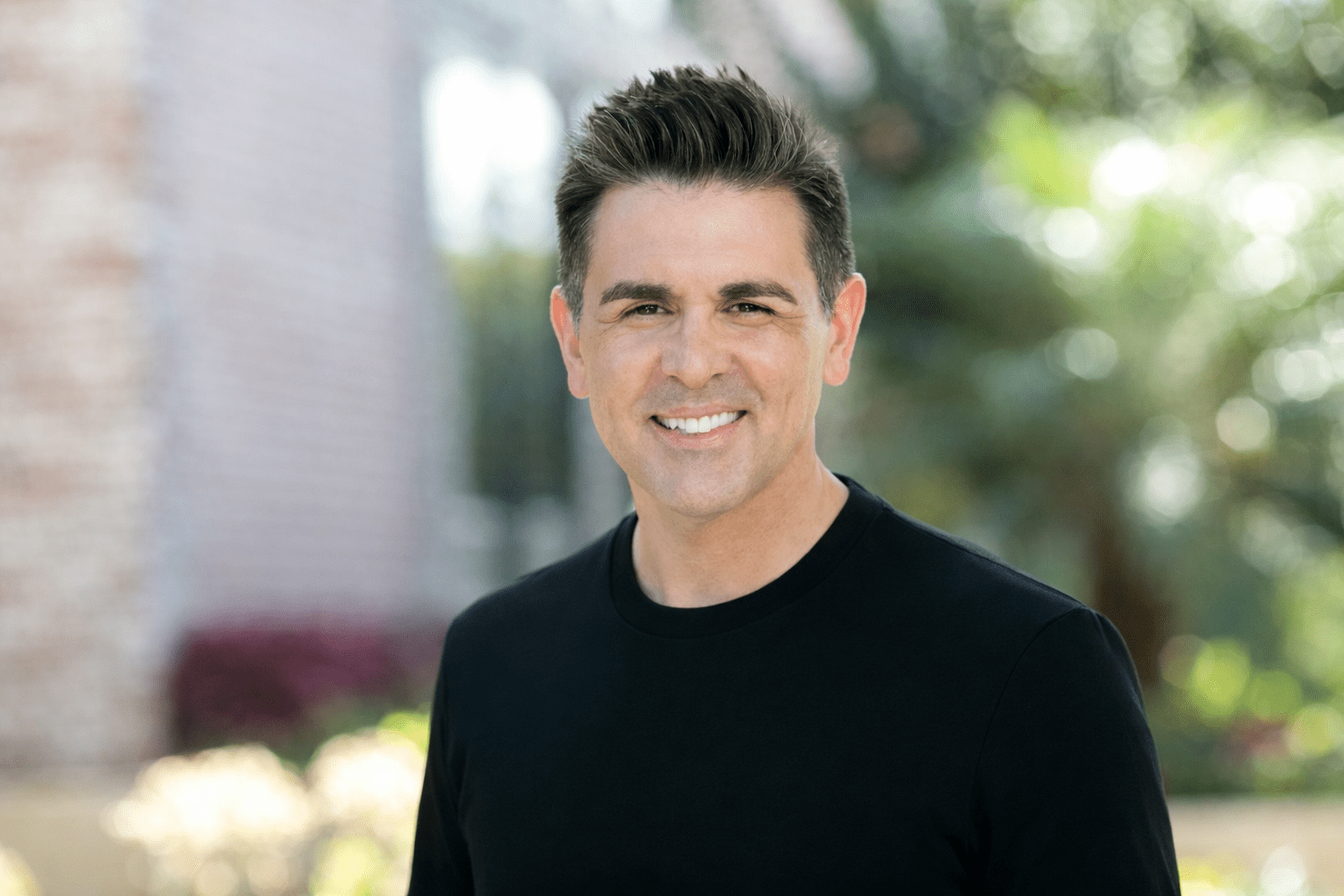
— Christian Graham
Founder, Body360 Fit

![Full Body Kettlebell Workout [PDF] | Body360 Fit](https://body360fit.com/wp-content/uploads/2021/01/Full-Body-Kettlebell-Workout-PDF.png)