
Estimated reading time: 9 minutes
A personal trainer does much more than lead workouts. If you’re asking what does a personal trainer do, the answer starts with guidance, structure, and support. The right coach helps you understand your body, set realistic goals, train with better technique, stay consistent, and make steady progress without guessing what to do next.
A trainer looks at your current fitness level, movement patterns, health history, schedule, and priorities, then builds a plan around you.
At Body360 Fit, personal training is designed for professional men and women who want strength, fat loss, better movement, and a healthier body that can keep up with a busy life. Many of our clients are over 35 and want asmarter way to train, not a random workout or a short-term fix.
What Does a Personal Trainer Do for Body
Transformation?

A personal trainer helps turn broad goals into a clear plan. Instead of telling you to “work out more,” a coach identifies what needs to happen first, what your body can handle now, and how to progress over time.
For body transformation, this often includes:
- strength training
- fat loss support
- movement correction
- conditioning
- nutrition habits
- recovery guidance
The goal is not simply to burn calories during one session. The goal is to build a system that helps you become stronger, leaner, and more capable over time.
Personal trainers help clients achieve their fitness goals by aligning training decisions with specific goals through exercise selection, intensity, frequency, and progression.
A client who wants fat loss may need strength work, daily movement, nutrition habits, and accountability.
A client who wants to reduce stiffness may need foam rolling, stretching and mobility, core work, better technique, and gradual strength building.
A client returning after a long break may need confidence, structure, and careful pacing.
Trainer duties also include education. A good coach explains why you are doing certain exercises, how to feel the right muscles working, and when it makes sense to increase weight, reps, or intensity. Over time, you become more confident in your training because you understand the process.
Fitness Assessments and Custom Program Design
A high-quality personal training experience usually starts with fitness assessments. These assessments help the trainer understand where you are starting, what limitations may affect training, and what plan will support your goals.
Fitness assessments may include:
- functional movement screens
- posture checks
- mobility testing
- strength baselines
- balance work
- motor skills testing
- body composition review
- a discussion of injuries or past exercise experience
The point is not to judge your fitness level. The point is to create a smarter starting place.
A custom plan may include strength training, conditioning, mobility, recovery work, and simple nutrition habits. It should also account for how often you can train. Some clients do best with two or three guided sessions per week. Others need one coaching session plus independent workouts. Busy professionals may need a flexible plan that adapts around meetings, travel, and family responsibilities.
A trainer also creates a baseline and an intelligent progression strategy. Progression means your workouts change in the right way over time. You may lift heavier, improve range of motion, add reps, shorten rest, increase control, or move to a harder variation. Without progression, workouts can become repetitive, and results may stall.
The best plan is not the hardest plan. It is the plan you can follow consistently while still being challenged.
How Personal Training Sessions Are Structured
Training sessions should feel organized, purposeful, and adapted to your body. A
session is not just a list of exercises. It is a planned experience that helps you move
better, train safely, and leave knowing the work had a reason.
A typical session may include a check-in, warm-up, movement preparation, strength
work, conditioning, technique coaching, and a short review of next steps. Your trainer
may adjust the plan based on sleep, soreness, stress, energy, or pain levels that day.
| Session Part | What Happens | Why It Matters |
|---|---|---|
| Check-in | Review energy, soreness, stress, schedule, and recent habits | Helps the coach adjust the session to your current state |
| Warm-up | Mobility, activation, breathing, and light movement | Prepares joints and muscles for better training |
| Technique work | Form coaching, movement cues, and range of motion review | Builds safer and more effective exercise habits |
| Main workout | Strength, conditioning, core, or corrective work | Supports fat loss, strength, and fitness goals |
| Progress review | Notes, feedback, and next action steps | Keeps the plan clear and measurable |
During one training session or an ongoing session, your coach watches how your body
responds. They may adjust weight, reps, range of motion, rest time, or exercise selection in real time. This is one reason personal training can be so helpful for clients who have struggled with pain, inconsistency, or plateaus.
A trainer may also work with groups, but private coaching gives more room for individual correction. If your goal is to build strength, lose fat, improve movement, or return to exercise safely, personalized feedback can help you make better use of each workout.
Strong sessions usually include:
- A clear plan for the day
- Exercise demonstrations before you begin
- Cues that help improve technique
- Adjustments for pain, stiffness, or fatigue
- Measurable progress tracking
- A realistic next step before you leave
The goal is to create confidence. You should know what you are doing, why it matters, and how it connects to your larger plan.
Trainer Duties Beyond the Workout
The workout is only part of what a personal trainer does. Many of the most important trainer duties happen before and after the session.
Before you train, your coach reviews your goals, recent progress, previous notes, and any issues that need attention. They may plan exercise progressions, adjust routines, or prepare alternative movements. After the session, they may record performance, track improvements, review form notes, or update your plan.
A trainer also helps with accountability. Many clients know they need to exercise, eat better, sleep more, or move during the day, but staying consistent is hard. Scheduled sessions and regular check-ins help turn intention into action.
For professional adults, support matters because life rarely stays predictable. Work deadlines, travel, family obligations, and stress can interrupt your routine. A good coach helps you adapt without quitting. That may mean shorter workouts, travel-friendly routines, modified nutrition goals, or a lighter session during a stressful week.
Personal trainers may also provide habit-based nutrition support. This does not mean extreme dieting. It means helping you make practical food choices that support your goals. For fat loss, that may include protein intake, meal timing, hydration, portion awareness, and planning around social events or busy workdays.
A personal trainer may help you with:
- Building a workout schedule you can follow
- Improving form and reducing injury risk
- Tracking strength, measurements, habits, and progress
- Adjusting workouts for stress, travel, or soreness
- Supporting nutrition habits for fat loss and energy
- Keeping you focused when motivation drops
This ongoing coaching is where many clients see the biggest difference. You are not
left to figure everything out alone. You have support, feedback, and a plan that can
change when your life changes.
Why Certifications, Skills, and Experience Matter
Trainer certification matters because personal training involves the body, movement, safety, and progression. A qualified coach should understand anatomy, exercise technique, program design, behavior change, and how to modify training for different needs.
Certifications, continuing education courses, and specialist training can show that a coach has studied the skills needed to train clients safely. Common education areas may include strength training, functional movement, corrective exercise, nutrition coaching, sports performance, mobility, and injury-aware programming.
A certification alone does not make someone the right coach for you, but it is part of the picture. Experience matters too. A trainer who works with professional adults over 35 should understand how stress, sleep, past injuries, stiffness, and busy schedules affect training.
Coaching is built around practical results. That means your trainer should be able to explain the plan, demonstrate movements, correct technique, and choose exercises that match your ability. If something hurts, the coach should know how to adjust. If progress stalls, the coach should know what to change.
The right fitness coach is also a good communicator. You should feel comfortable asking questions. You should understand what is expected of you. You should know how progress will be measured.
Look for a trainer who can clearly explain:
- How they assess new clients
- What certifications or experience they have
- How they build programs around injuries or limitations
- How they track client fitness progress
- How nutrition and coaching support are handled
- How they help you achieve your fitness goals
A strong coach does not pressure you with vague promises. They give you a process, a realistic plan, and clear support.
How Personal Trainers Support Fat Loss, Strength, and Long-Term Progress
Many people hire personal trainers for fat loss, but lasting results require a full plan. Exercise matters, but so do nutrition, recovery, stress, daily movement, and consistency.
Strength training is often a major part of a successful fat loss plan because it helps preserve and build muscle while improving body composition. A personal trainer can choose the right exercises, set the right intensity, and build a plan that helps you progress without burning out.
Nutrition support also plays a role. A trainer may help you build habits that fit your lifestyle, such as eating enough protein, planning meals, staying hydrated, or reducing patterns that slow progress. The focus should be realistic change, not extreme restriction.
For clients over 35, long-term progress often depends on training in a way the body
can sustain. That means improving movement, building strength gradually, managing
recovery, and avoiding the cycle of doing too much too soon.
Progress may show up in many ways. You may lift heavier, lose inches, improve posture, feel less stiff, sleep better, move with more confidence, or have more energy during the day. A good trainer helps you notice and measure these wins so you stay connected to the process.
Start With the Right Personal Training Plan
A personal trainer can help you stop guessing and start following a plan built around
your body, goals, and schedule. The right coach provides fitness assessments, custom programming, technique guidance, nutrition support, accountability, and ongoing progress tracking.
For busy professional men and women, that support can make fitness feel realistic again. Instead of trying another random workout plan, you get a structured path that helps you build strength, lose fat, move better, and stay consistent.
At Body360 Fit, personal training is designed for adults who want a smarter, more personal way to train. Your plan begins with where you are now, then grows with you as your strength, movement, and confidence improve.
If you are ready to work with a coach who understands your goals and your schedule, book a free consultation with Body360 Fit.
You will learn what your body needs, what type of training plan fits your life, and how personal training can help you build a stronger, leaner, healthier body.
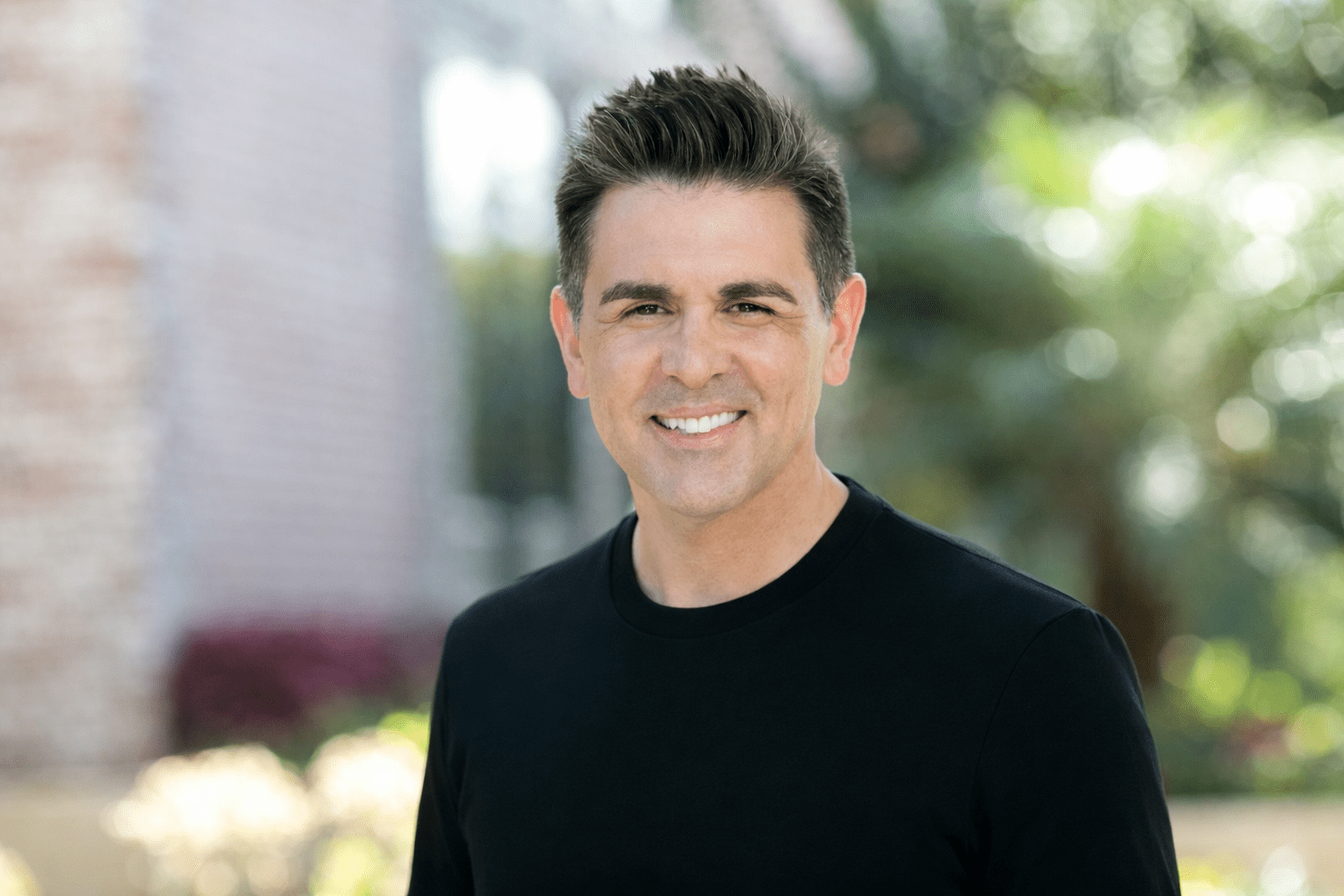
— Christian Graham
Founder, Body360 Fit

![Full Body Kettlebell Workout [PDF] | Body360 Fit](https://body360fit.com/wp-content/uploads/2021/01/Full-Body-Kettlebell-Workout-PDF.png)