
Estimated reading time: 10 minutes
If you are asking who is body transformation for, the answer is broader than many people expect. It is not only for athletes, fitness influencers, or people trying to prepare for a short-term event.
A well-structured body transformation can help adults who want to improve strength, energy, mobility, confidence, and overall health. It can also help people who feel stuck, people returning to exercise after a long break, and people who want a more realistic plan than random workouts and strict diets.
The real question is not whether a transformation is only for a certain type of person. The better question is whether you are ready to follow a plan that supports steady progress and fits your life.
For many people, the best results come when the process is tailored to the person in front of the coach. That means looking at goals, schedule, movement quality, recovery, and eating habits before building a plan.
Some people want fat loss. Some want more muscle. Some want better fitness and a stronger routine. Others simply want to feel better in their own body and stop starting over every few months. Those are all valid reasons to begin.
Body Transformation Is for People Who Want Real Change, Not Quick Fixes

A body transformation tends to work best for people who are ready to make changes they can actually keep. That does not mean they have to be perfect. It does mean they are willing to follow a system, stay consistent, and give the process enough time to work.
This includes people who:
- want to improve health and daily energy
- want to lose excess weight without using extreme methods
- want to build strength and support muscle growth
- want better structure around nutrition and training
- want a coach or a clear system to follow
- want a long-term solution instead of another short-term reset
Many adults assume they are not the right fit because they are too busy, too deconditioned, too old, or too far from their target. In reality, those are often the people who benefit most from a smart transformation plan. The point is not to begin at an ideal starting point. The point is to begin with a plan that matches where you are now.
That is especially true for busy professionals. Long work hours, family responsibilities, travel, stress, and irregular routines can make it hard to stay consistent. A good transformation system helps solve that problem by simplifying the process. It removes guesswork and helps people focus on a few actions that move them forward.
This is one reason body transformations appeal to so many different people. They are not limited to one background or one goal. They are useful for anyone who wants a more intentional approach to physical change.
It Is a Good Fit for Adults Who Want Better Health, Strength, and Structure
A lot of people begin because they want to look different, but they stay with the process because they start to feel different, too. Better sleep, better energy, stronger workouts, more confidence, and a stronger sense of control often show up before dramatic visual changes.
That makes body transformation a strong fit for adults who want more than appearance-based progress. It can be a useful path for people who want:
- stronger movement in daily life
- improved posture and joint comfort
- better stamina and recovery
- better food habits
- more consistent exercise
- measurable progress tied to real goals
Ideal candidates are often not the people with the most free time. They are the people who want better support. They want help setting priorities, choosing the right training style, and building habits that fit their week.
The table below shows how different starting points can all lead to a successful transformation plan:
| Starting Point | Common Goal | Why a Transformation Plan Can Help |
| New to exercise | Build confidence and routine | Creates structure and simple next steps |
| Returning after a time away | Regain strength and consistency | Helps restart with a clear plan |
| Busy professional | Improve energy and body composition | Makes training and nutrition more practical |
| Plateaued gym-goer | Break through stalled progress | Adds strategy, progression, and accountability |
| Adult over 35 | Support health, muscle, and mobility | Matches training to recovery and lifestyle |
This is why body transformation is not just for one type of client. It works for many people as long as the plan is realistic and the support is strong.
It Is Not Only for Weight Loss
One of the biggest misunderstandings around transformation is that it only means dropping pounds. Some people do begin because they want to lose weight, and that is a valid goal. Still, a good transformation plan should look beyond the scale.
Many people want some mix of the following:
- fat loss
- muscle growth
- improved posture
- more strength in the gym
- a better relationship with food
- more stable energy
- better confidence in their own body
This is where the idea of full-body change becomes more useful than a simple diet mindset. A transformation often works by improving body composition, not just scale weight. A person may lose fat, gain strength, improve movement, and look leaner without seeing a huge drop on the scale. That still counts as strong progress.
The wrong expectation can actually hurt motivation. If a person thinks the only useful sign of progress is lower body weight, they may miss important wins such as stronger lifts, better stamina, improved sleep, or better food choices. A transformation plan helps people see the bigger picture.
So who benefits most? Often it is the person who wants more than a quick visual change. It is the person who wants to feel better and keep those results.
It Can Be a Strong Option for Men and Women at Different Stages
Many people wonder whether this process is better suited to one group than another. The answer is no. It can work for men and women, younger adults and older adults, beginners and intermediate gym-goers. What changes is the design of the plan.
A person who has never trained consistently may need a simple foundation with a few weekly sessions, basic eating improvements, and movement coaching. A person who already trains but feels stuck may need a more advanced program, a better recovery strategy, or changes in their workout structure. A person focused on long-term health may need less intensity and more consistency.
This flexibility matters because transformation is not a fixed template. It is a process that adapts to the individual.
There are also emotional factors. Some people want to feel more confident after years of putting themselves last. Some want to rebuild after stress, work burnout, or a long stretch of inactivity. Some want to prove to themselves that they can stay consistent again. Those reasons matter too.
Body transformation can be especially helpful for people who:
- Feel frustrated by all-or-nothing habits
- Want to stop jumping between plans
- Have a gym membership but no clear direction
- Need guidance from personal trainers or structured coaching
- Want a system that combines exercise and food habits
- Want a more supportive and private training experience
That is why it can work so well in a coaching environment. Guidance helps people move past confusion and focus on the basics that actually matter.
A Good Fit Often Comes Down to Mindset and Commitment
Not everyone needs to be highly motivated at the start. Motivation rises and falls. What matters more is the willingness to commit to a process. The people who do best are often the ones who accept a few basic truths:
- Results take time
- Change is rarely linear
- Small wins matter
- Consistency beats intensity
- Habits matter as much as workouts
- Support makes the process easier
This does not mean the person has to enjoy every session or get everything right. It means they are willing to follow guidance, learn, and stay involved even when progress feels slow.
That is one reason body transformation is such a useful concept. It gives people a reason to think beyond the next two weeks. It turns attention toward a full transformation journey, where better routines gradually shape better results.
People who benefit most are often the ones who need a structured but realistic support system. They do not need pressure. They need clarity and coaching that fits their life.
For many adults, that includes a plan with:
- Realistic training frequency
- Simple food structure
- Enough protein and recovery
- Regular check-ins
- A clear goal for the next phase
- Space for life to happen without feeling like failure
That kind of setup helps people stay in the process long enough to see meaningful change.
The Role of Nutrition, Training, and Coaching
A body transformation works best when three things come together: training, nutrition, and accountability. If one piece is missing, the process gets harder.
Training
A structured training plan helps the body adapt. It can improve strength, support fat loss, and create the repeated stimulus needed for better performance and visible results. The right plan depends on the goal, but it should always be manageable enough to follow.
Nutrition
Food choices matter because they affect energy, recovery, and body composition. A realistic custom meal approach or simple eating framework can help people stay consistent without treating every meal like a test. Good nutrition supports training, helps manage appetite, and makes results more sustainable.
Coaching
Coaching can help people stay objective. It gives them a way to adjust the plan when progress slows, improve exercise quality, and stay consistent when life gets busy. It also removes some of the mental load. Instead of guessing what to do next, clients can follow a clearer path.
This is especially useful for people who have already tried to do it alone. Many do not fail because they lack effort. They fail because they are overwhelmed, inconsistent, or unsure what actually matters.
That is why body transformation is often a better fit for people who want expert help than for people who want to piece everything together on their own. The support can make the difference between starting another short-lived phase and building a routine that lasts.
When Body Transformation May Not Be the Right Framing
Not everyone needs to think in terms of transformation. Some people simply need general activity, a basic health routine, or medical guidance before starting a full fitness plan. Others may be better served by smaller short-term goals before taking on a larger identity shift.
That said, many people who say they “just want to feel better” are still describing the early stage of a transformation. They want:
- More control over their eating
- A stronger body
- Less stiffness
- Better energy
- Better confidence
- Less stress around the gym
Those are all pieces of transformation, even if they do not use that word at first.
The best use of the term is when it helps people understand that the process is about meaningful, lasting change. It should not be framed like a crash project. It should be framed like a clear path toward better health, fitness, strength, and confidence.
A Better Way to Decide If It Is Right for You
The best answer to “who is body transformation for” is this:
It is for people who want a better system to change their body, habits, and daily routine in a lasting way.
It is for people who want stronger fitness habits, better health, smarter nutrition, and real support.
It is for people who are ready to stop chasing quick fixes and start building something more stable.
If that sounds like you, Body360 Fit Los Angeles offers a more personalized path forward. With private coaching, movement-based training, and a practical approach to habit-based nutrition and progress, the process can become clearer and easier to follow. That gives you a better chance to build lasting results that fit your goals and your life.
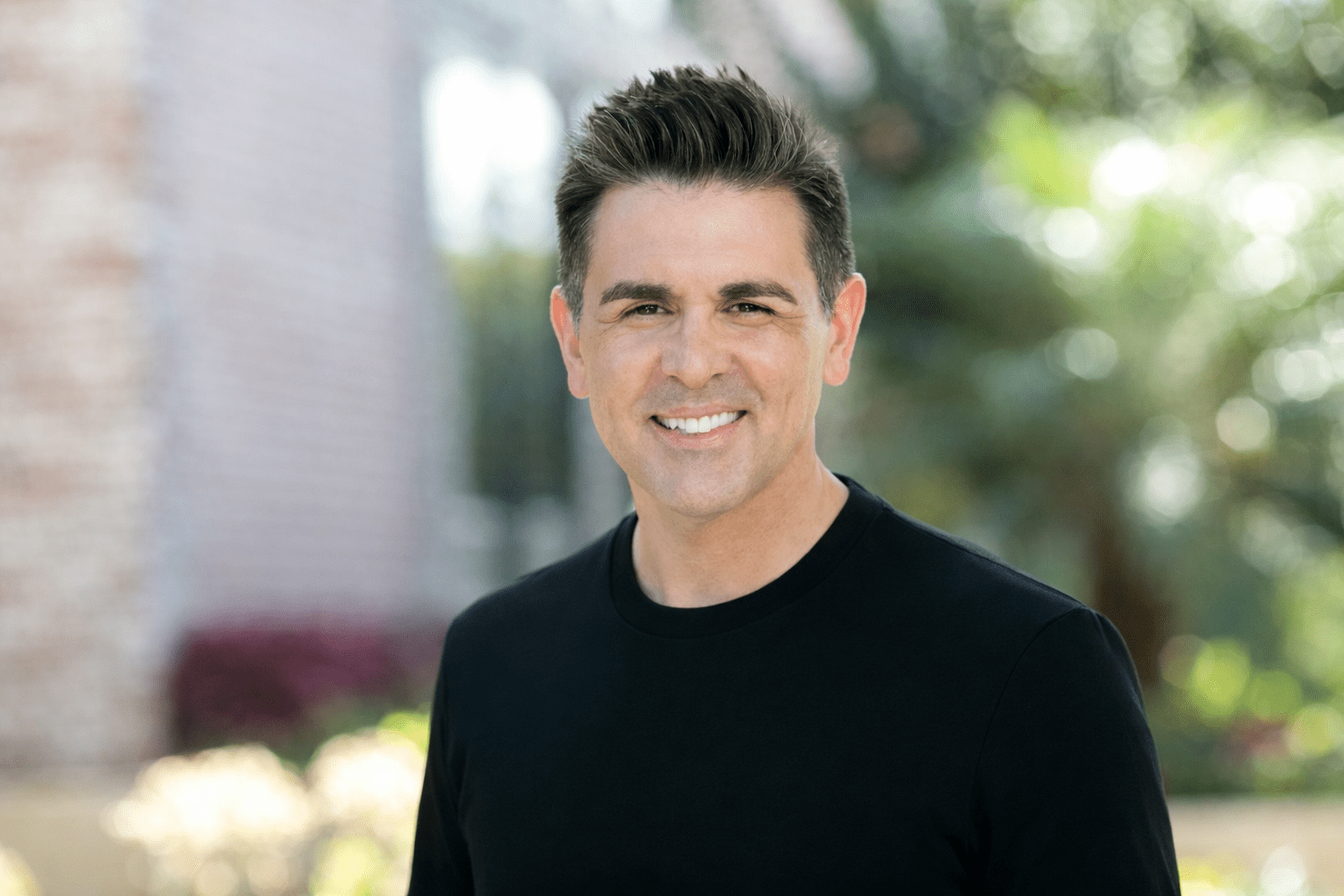
— Christian Graham
Founder, Body360 Fit

![Full Body Kettlebell Workout [PDF] | Body360 Fit](https://body360fit.com/wp-content/uploads/2021/01/Full-Body-Kettlebell-Workout-PDF.png)