Estimated reading time: 9 minutes
Strength training helps your body produce, control, and absorb force. It uses resistance from dumbbells, machines, cables, bands, or your own body weight to challenge your muscles. With consistent practice and enough recovery, your body adapts by becoming stronger and better prepared for daily activity.
That strength matters outside the gym. Carrying groceries, climbing stairs, lifting luggage, playing with your children, and standing from a chair all require muscular effort. When these tasks take up less of your physical capacity, they can feel easier and place less strain on your body.
Why is strength training important? Resistance exercise also supports muscle mass, bones, joints, balance, body composition, and confidence. It can benefit beginners, athletes, runners, students, women over 40, and older adults. The exercises and resistance should change according to the person, but the purpose stays the same: build the physical capacity needed for a healthier and more active life.
Body360 Fit brings this approach into a private Beverly Grove training environment. New clients begin with a complimentary Functional Movement Screen so trainers can assess how the body moves, identify limitations, and design a personalized program. The result is focused coaching without crowds, waiting, or random workouts.
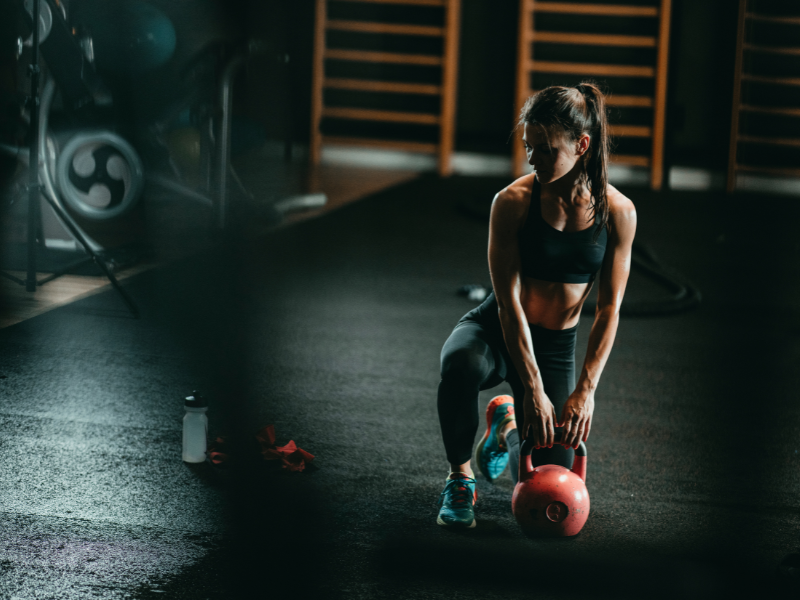
Strength Training Builds Muscle for Daily Life
Muscle allows you to move, maintain posture, protect your joints, and complete physical tasks. Increasing muscle strength gives your body a larger reserve for work, recreation, and unexpected demands.
For example, carrying two grocery bags may feel difficult when the load is close to your current limit. After several months of structured training, that same load may represent a much smaller percentage of your capacity. The task hasn’t changed, but your body has.
A balanced program usually trains several basic movement patterns:
- Squatting: Supports sitting, standing, and climbing stairs
- Hinging: Prepares you to lift objects from the floor
- Pushing and pulling: Builds upper-body capacity for doors, furniture, and household work
- Carrying: Develops grip, posture, and full-body control
- Bracing and rotating: Helps transfer force through the trunk during
- movement
These patterns can be trained with many exercises. A beginner might perform a supported squat, band row, and elevated push-up. An experienced client might use barbell squats, cable rows, and dumbbell presses. Both can improve their strength when the resistance and technique match their ability.
The body also learns to coordinate movement more efficiently. Early progress often comes from the nervous system becoming better at recruiting muscle fibers and maintaining stable positions. You may notice improved balance, smoother repetitions, and greater confidence before visible muscle growth appears.
Over time, gradual increases in weight, repetitions, sets, range of motion, or movement control can help build muscle. This process is called progressive overload. It doesn’t mean lifting as heavily as possible. The workload should increase only when you can maintain suitable technique.
Strength training helps steady your body by improving coordination between the muscles, joints, and nervous system. That benefit becomes increasingly useful during travel, demanding workdays, recreational sports, and normal household activity.
Muscle Mass Supports Metabolism and Body Composition
Muscle mass contributes to movement, physical resilience, and energy use. Maintaining it can be especially useful during weight loss, periods of reduced activity, and the natural changes that occur as you get older.
Strength training can help you keep lean tissue while nutrition supports fat loss. Without resistance exercise, weight loss may include both fat and muscle. Giving the body a reason to retain muscle can improve body composition, even when changes on the scale happen slowly.
Building muscle also raises the amount of energy your body uses to maintain its tissues, although the metabolic increase is often overstated. Strength work doesn’t create unlimited calorie burn. Its value comes from supporting lean tissue and making you capable of completing more physical activity.
A person who becomes stronger may be able to walk farther, train with greater effort, participate in sports, and remain active without becoming tired as quickly. Those changes can support long-term weight management and lower body fat levels when paired with appropriate nutrition.
| Physical change | How training contributes | Practical effect |
|---|---|---|
| Increased muscle mass | Progressive resistance challenges muscle tissue | Supports movement, shape, and physical capacity |
| Better body composition | Training helps preserve lean tissue during fat loss | May produce a firmer, stronger appearance |
| Improved energy use | Muscle requires energy and supports greater activity | Helps maintain a healthy, active routine |
| Better blood sugar control | Working muscles use glucose during and after exercise | May support metabolic health |
| Greater work capacity | The body tolerates repeated physical effort | Makes workouts and daily tasks less demanding |
| Improved posture | Stronger muscles support useful positions | May reduce fatigue during sitting and standing |
Weight exercises should be combined with regular movement, sleep, hydration, and nutrition. Aerobic activity remains valuable for cardiovascular health and endurance. Rather than choosing one method over the other, many people benefit from a routine that includes both resistance and aerobic exercise.
For weight loss, consistency matters more than punishing workouts. Two or three well-planned strength sessions can be easier to maintain than a schedule filled with demanding daily workouts. A plan should fit your recovery ability and real-life schedule.
Resistance Exercise Helps Protect Bones, Joints, and Mobility
Muscles, bones, tendons, and joints respond to the demands placed on them. Resistance training provides controlled loading that can help the body tolerate physical stress.
This is especially important as we age. Adults can gradually lose muscle and strength
during periods of inactivity and later life. Without action, that decline can affect balance, walking speed, posture, and independence.
Strength training can help you keep the physical capacity needed for daily movement. Exercises that involve standing, carrying, pushing, and pulling can also place a useful demand on bone tissue. This may help protect bones when the program is suited to the individual.
Strong muscles support the joints by helping guide and control movement. The hips influence how the knees and pelvis move. The upper-back and shoulder muscles help control the arms. The trunk transfers force between the upper and lower body.
Flexibility and strength should work together. Flexibility gives you access to a position, while strength helps you control it. A person may have enough range to lower into a squat but lack the stability to move through it safely. Another person may be strong within a limited range but need mobility work to move comfortably.
A well-designed program may include:
- Mobility drills for restricted areas
- Stability exercises for joints that need greater control
- Strength movements through a manageable range
- Gradual loading to improve tissue tolerance
- Balance or carrying exercises to support coordination
- Recovery time between demanding sessions
Training can’t prevent every injury, and no exercise can promise protection from pain
or disease. It may, however, reduce some risk factors by improving control, capacity, and preparation for physical demands.
People with osteoporosis, persistent pain, recent surgery, or chronic illnesses should speak with a qualified healthcare professional before beginning a demanding routine. Exercises can often be modified, but the plan should reflect the personʼs health history and current symptoms.
Strength Matters for Healthy Aging and Long-Term Health
Healthy aging depends partly on maintaining the ability to move independently. Muscle strength affects walking, balance, stair climbing, lifting, and recovering from
a stumble. These abilities can influence how confidently older adults participate in
daily life.
Resistance work can support healthy years by helping adults maintain muscle and physical function. The goal doesn’tneed to be maximum strength. For many people, success means continuing to travel, garden, carry groceries, get up from the floor, or enjoy time with family.
Strength work may also support several markers of metabolic and cardiovascular health. Active muscles use glucose, and regular exercise can play a role in managing risk factors associated with diabetes, obesity, and heart disease.
Research also examines associations between physical activity, muscle strength, and outcomes related to cancer and other conditions. These findings don’t mean strength training provides cancer prevention on its own. Exercise should be viewed as one part of a broader health pattern that includes medical care, nutrition, sleep, and other lifestyle factors.
Different groups may benefit in specific ways:
- Women over 40 may use resistance work to support muscle and bone
health, body composition, and confidence during age-related changes. - Older adults may focus on balance, leg strength, joint control, and
independence. - Students may benefit from a structured outlet for stress and improved
physical confidence. - Athletes can use strength to improve force production, resilience, and
performance. - Runners may train the hips, legs, calves, and trunk to support efficient
movement and tolerate repeated impact.
Programs should still reflect individual goals. A runner doesn’t need the same plan as
someone training for healthy aging. A student new to fitness doesn’t need the same
volume as an experienced athlete. Exercise selection becomes more useful when it
connects directly to the personʼs life.
Personalized Coaching Makes Training Safer and More Focused
Knowing that strength work matters is only the first step. Results depend on selecting the right exercises, using suitable resistance, progressing at a manageable rate, and remaining consistent.
Generic workouts can’t account for every mobility restriction, injury history, or movement pattern. Two people may have the same goal but need different starting points. One may need to improve ankle mobility before squatting deeper. Another may need greater hip stability. A third may need a supported variation while rebuilding confidence after time away.
Body360 Fit starts with a Functional Movement Screen to understand these differences. The screen provides practical information about mobility, stability, balance, and movement control. Trainers then use that information to design a program around the clientʼs needs and goals.
Personalized coaching can help by:
- Selecting movements that suit your current ability
- Correcting technique while you perform each rep
- Adjusting resistance based on movement quality
- Tracking weight, sets, repetitions, and progress
- Modifying exercises when discomfort or limitations appear
- Building sessions around your schedule and recovery
The private studio environment also removes common barriers. There’s no need to wait for equipment, compare yourself with other members, or decide what to do next. Each session has a purpose, and your trainer can focus on every movement.
This structure can make consistency easier. Motivation naturally changes from week to week, but scheduled sessions and measurable goals provide support when enthusiasm is low. Small improvements, such as another rep, better balance, or a smoother movement, help show that the work is producing results.
For busy professionals in Beverly Grove and nearby Los Angeles neighborhoods, focused sessions can also reduce wasted time. You arrive, follow a planned workout, receive direct feedback, and leave knowing how the session supports your larger goal.
Build Lasting Strength with a Plan Designed for You
Strength training matters because it supports the physical abilities you use every day. It can help build muscle, improve body composition, support bones and joints, maintain mobility, and prepare the body for work, recreation, and aging.
You don’t need to train like a competitive weightlifter. A useful program starts at your current level and progresses as your body adapts. The right mix of exercises, resistance, recovery, and coaching can help you improve your strength without relying on random routines.
Body360 Fit provides private, personalized training built around each clientʼs movement patterns, goals, history, and schedule. Every new client begins with a complimentary Functional Movement Screen, followed by focused programming and one-on-one support.
Schedule your complimentary assessment to learn where to begin and how a personalized strength plan can fit your life.
— Christian Graham
Founder, Body360 Fit


![Full Body Kettlebell Workout [PDF] | Body360 Fit](https://body360fit.com/wp-content/uploads/2021/01/Full-Body-Kettlebell-Workout-PDF.png)