
Estimated reading time: 9 minutes
Personal training can look different from one coach to the next. Some trainers focus mainly on workouts, while others provide a deeper coaching experience that includes assessment, goal setting, movement correction, habit support, nutrition guidance, and ongoing accountability.
If you are wondering what services you can expect from a personal trainer, the answer depends on the program, the trainer’s background, and your goals. A strong personal trainer should do far more than count reps. They should help you train with better technique, understand your body, stay consistent, and follow a plan that fits your schedule.
At Body360 Fit, personal training is designed for busy professional men and women who want strength, fat loss, improved movement, and lasting results. The work starts with learning where you are now, what has held you back, and what your body needs to move and perform better.
For many clients over 35, the goal is not simply to work harder. It’s to train smarter. That means choosing exercises that fit your body, building routines around your energy and schedule, and developing habits that support progress outside the gym.
A personal trainer can help you add variety to your workout routine, but variety alone is not enough. The real value comes from having a clear plan, a coach who can guide form, and a system that adjusts as your strength, mobility, and confidence grow.
The Role of a Personal Trainer in Body Transformation
A personal trainer helps turn broad fitness goals into clear daily actions. Instead of guessing which exercises to do, how often to train, or when to increase intensity, you get a plan built around your specific needs.
For clients who want body transformation, the process usually begins with an initial consultation. This conversation helps your trainer understand your health history, training background, schedule, injuries, stress level, lifestyle, and goals. From there, the trainer can build a program that supports fat loss, strength, mobility, and better physical performance.
A good personal trainer also brings knowledge of exercise physiology to the process.
That does not mean the training needs to feel complicated. It means your sessions should follow a logical plan:
- Exercises should have a purpose.
- Progress should be measured.
- Your body should be challenged without being pushed beyond what it can safely handle.
Personal trainers also help clients connect training to real-life goals. You may want to lift heavier weights, lose body fat, move without pain, improve your posture, or feel more confident in your clothes. Each goal requires a different mix of training, recovery, nutrition, and accountability.
Personal Training Services You Can Expect

Personal training services should be clear from the start. Before you commit to a program, you should know what is included, how progress will be tracked, and how your trainer will support you between sessions.
Many people think a personal training session is only the time spent working out. In a
high-quality program, the service includes planning, assessment, instruction, feedback, and adjustment. The workout is only one part of the full coaching relationship.
Common services personal trainers offer include:
- Initial consultation to review goals, health history, and training background
- Movement assessment to identify mobility, stability, and technique needs
- Custom strength training based on your current ability
- Fat loss coaching with realistic habits and nutrition support
- Exercise demonstrations and form correction
- Progress tracking for strength, body composition, movement, and consistency
- Workout adjustments based on schedule, soreness, stress, or recovery
- Accountability check-ins to keep clients focused between sessions
- Support for gym confidence, exercise selection, and routine planning
These services help clients move from confusion to structure. Instead of walking into the gym, wondering what to do, you know what the plan is and why it matters.
What Happens During a Typical Training Session?
A typical day with a personal trainer is structured, focused, and adapted to how your body feels that day. While every client’s plan is different, most sessions follow a clear flow that helps you prepare, train, and leave with a sense of progress.
A session may start with a short check-in. Your trainer may ask about sleep, soreness, stress, energy, nutrition, or anything that could affect your training. This helps shape the day’s workout. If you feel strong and recovered, the session may be more challenging. If your body needs more care, the trainer can adjust the plan without losing momentum.
A warm-up usually follows. This may include foam rolling, mobility work, activation drills, breathing, or light movement to prepare your joints and muscles. For clients over 35, this step matters because it helps improve technique and reduce the risk of irritation during heavier exercises.
The main training block may include strength work, conditioning, movement practice, or a blend of all three. A coach may guide you through squats, hinges, presses, pulls, carries, core work, and targeted corrective exercises. The goal is not to fill time. The goal is to train what your body needs in a way that supports your goals.
| Session Element | What It Includes | Why It Matters |
|---|---|---|
| Check-in | Energy, soreness, stress, schedule, recent habits | Helps the trainer adjust the workout to your current state |
| Warm-up | Foam rolling, mobility, activation, breathing, light movement | Prepares the body and improves movement quality |
| Technique coaching | Exercise setup, posture, range of motion, tempo | Builds safer and more effective training habits |
| Main workout | Strength, conditioning, core, or movement work | Supports fat loss, muscle gain, and fitness goals |
| Progress review | Notes, performance tracking, next steps | Keeps the plan aligned with measurable progress |
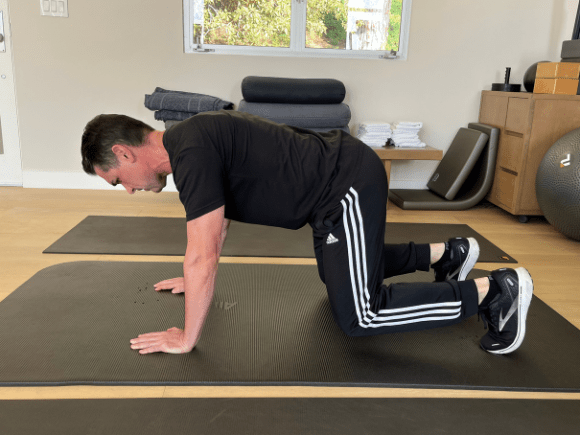
During the workout, they can guide form in real time. This is one of the most valuable parts of personal training. Small changes to foot position, breathing, posture, or tempo can make an exercise safer and more effective.
A session may close with recovery work, a recap, or a simple action step for the week. That might include walking goals, protein targets, mobility work, or a plan for an independent gym day. You leave knowing what was done and what comes next.
Technique, Movement Restoration, and Injury-Aware Coaching
Technique is one of the main reasons people hire a personal trainer. Good technique helps you get more from each rep while lowering strain on joints and muscles. Poor technique can limit progress, create discomfort, and make workouts feel frustrating.
A skilled trainer does not expect every client to move the same way. Age, injury history, posture, mobility, strength, and confidence all affect how exercises should be taught. The goal is to find the version of each movement that fits your body now, then build from there.
Many clients arrive with tight hips, stiff backs, rounded shoulders, knee discomfort, or limited range of motion from sitting, stress, past injuries, or inconsistent training. These limitations can affect squats, lunges, deadlifts, presses, and daily movement.
A personal trainer can identify where movement breaks down and use targeted drills to improve control. This may include mobility exercises, corrective strength work, balance training, core stability, or changes to exercise selection.
For example, knee pain may call for better hip strength, ankle mobility, or squat mechanics. Shoulder discomfort may require upper-back strength and pressing modifications. A client returning after time away may need gradual progression before intensity.
This is where personal training differs from generic workouts. The trainer is not just assigning exercises. They are watching how your body responds and adjusting in real time.
Injury-aware coaching does not mean avoiding hard work. It means building strength
intelligently. When movement improves, clients often feel more capable in the gym
and in daily
Support for Fat Loss, Strength, and Habit-Based Nutrition
Many clients hire a personal trainer because they want fat loss, but they often need more than workouts to get there. Training is important, but nutrition, sleep, stress, daily movement, and consistency all shape results.
Your trainer may help you set targets for protein, hydration, meal timing, portion control, or weekly planning. They may also help you identify patterns that make progress harder, such as skipped meals, late-night snacking, low daily movement, weekend overeating, or inconsistent training.
Personal trainers do not need to replace medical or clinical nutrition care. Instead, they can provide practical guidance that supports fitness goals and helps clients stay accountable.
Strength training is also a major part of fat loss. Building muscle helps improve body composition, confidence, and physical function. Many adults over 35 need a program that protects muscle while supporting weight loss. A trainer can select exercises, set appropriate intensity, and progress your workouts over time.
Strong programs often include:
- Strength training to build muscle and improve body composition
- Conditioning that supports heart health and calorie output
- Habit-based nutrition guidance for realistic eating patterns
- Daily movement goals to increase activity outside the gym
- Recovery planning to support energy, sleep, and performance
- Progress tracking to keep goals measurable and visible
This full-picture support helps clients avoid the cycle of starting and stopping. Instead of chasing quick fixes, you build skills and routines you can maintain.
Body360 Fit’s coaching is designed for professionals who need results without turning
fitness into a second job. The plan should help you train consistently, eat with more
awareness, and keep moving forward even during busy seasons.
Customization, Accountability, and Long-Term
Progress
Customization is one of the main services that separates personal training from general fitness classes or online workouts. A custom plan accounts for your body, schedule, goals, preferences, and training history.
This matters because no two clients start from the same place. One person may need fat loss and strength. Another may need mobility, posture, and pain-free movement. Another may want to return to sports or feel confident lifting weights for the first time. A personal trainer should shape the program around the person, not force every client into the same plan.
Accountability is another major part of the service. Many clients know what they “should” do, but they struggle to do it consistently. Scheduled sessions, progress tracking, and regular check-ins help turn intention into action.
For busy professionals, that support can be the difference between another short-lived fitness attempt and steady progress. Work travel, meetings, family responsibilities, and stress can interrupt any routine. A good trainer helps you adapt rather than quit.
Body360 Fit also focuses on long-term progress. As strength, movement, fat loss, and confidence improve, your plan changes with you. Over time, you learn how to move better, train with better technique, choose exercises wisely, and stay engaged without losing the structure needed for results.
Start With the Right Personal Training Plan
Personal training should give you clarity, structure, and support. The right coach helps you understand what to do, how to do it, and how to stay consistent when life gets busy.
If you are comparing personal trainers, look beyond the workout itself. Ask what services are included, how your program will be built, how your technique will be coached, and how progress will be measured. A strong personal training program should include assessment, planning, movement work, strength training, fat loss support, and accountability.
For professional men and women over 35, this type of support can make fitness feel more realistic. You do not need random workouts or extreme plans. You need a system that respects your time, supports your body, and helps you build results that last.
Body360 Fit offers personal training built around strength, fat loss, movement restoration, and habit-based coaching. Each client starts with a clear plan based on their goals, schedule, and current fitness level.
If you are ready to train with purpose, schedule a free consultation with Body360Fit. You will learn what services fit your goals, what your first steps should look like, and how a personal trainer can help.
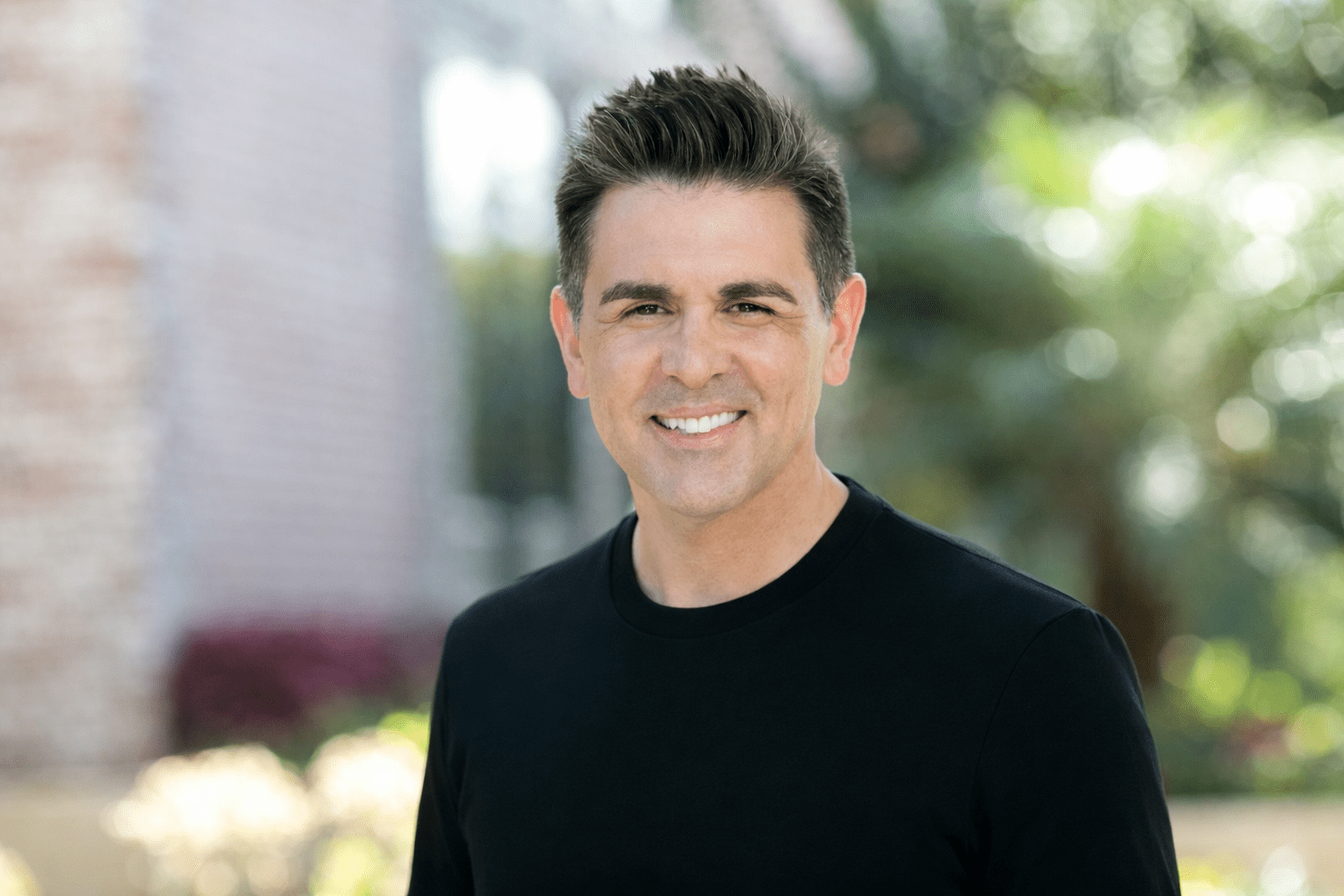
— Christian Graham
Founder, Body360 Fit

![Full Body Kettlebell Workout [PDF] | Body360 Fit](https://body360fit.com/wp-content/uploads/2021/01/Full-Body-Kettlebell-Workout-PDF.png)