
Estimated reading time: 10 minutes
Finding the right coach can shape your entire fitness experience. If you are learning how to find a personal trainer, start by looking beyond location, price, or a quick online search. The right fit should understand your goals, your body, your schedule, and the type of support you need to stay consistent.
A good trainer does not hand every client the same workout. They ask questions, review your movement, listen to your concerns, and build a program that fits your current fitness level. For busy professional men and women, especially adults over 35, that kind of guidance can make training feel clearer, safer, and easier to maintain.
At Body360 Fit, personal training is built around real-life goals.
Before you book online or commit to a training package, take time to compare your options. The best personal trainers offer clear communication, relevant experience, strong coaching skills, and a process that fits your lifestyle.
Know What You Want Before You Search for a Personal Trainer

Before you begin your search, define what you want from personal training. A trainer who is great for someone else may not be the right fit for your body, goals, or personality. Clear goals help you avoid choosing based on convenience alone.
Some clients want fat loss. Others want strength, improved posture, better mobility, injury-aware training, or more confidence in the gym. Some want one-on-one support, while others enjoy group coaching or online personal training services. Your goal should guide the type of coach you choose.
For adults over 35, it is also helpful to think about what has not worked in the past. Maybe you started programs but lost motivation after a few weeks. Maybe your workouts caused aches and pains. Maybe your schedule changed often, making consistency difficult. A good trainer should help you solve those problems, not ignore them.
Ask yourself:
- Do I want fat loss, strength, better movement, or general fitness?
- Do I prefer private coaching, group training, or online personal support?
- Do I need help with nutrition habits or mainly workouts?
- Do I have injuries, stiffness, or movement limitations?
- How many days per week can I train realistically?
- Do I need early morning, evening, weekend, or flexible scheduling?
These answers help narrow your options.
If your main goal is body transformation, choose a coach who understands strength training, nutrition habits, and progress tracking.
If you want better movement, look for specialized trainers who assess mobility, technique, and exercise selection.
If you travel often, online personal coaching or hybrid support may be a better fit.
Body360 Fit works with professional men and women who need a program that respects their time. That means matching the plan to your lifestyle, not forcing your lifestyle around a rigid program.
Check Trainer Credentials, Experience, and Specialties
Trainer credentials matter because personal training involves your body, health, movement, and safety.
Certified personal trainers should have education in:
- exercise technique
- anatomy
- programming
- safe progression
Credentials alone do not prove someone is the perfect personal trainer, but they are a
strong starting point.
Look for certifications from recognized fitness organizations, along with continuing education in areas that align with your goals. A coach who specializes in strength training, corrective exercise, metabolic health, nutrition coaching, or injury-aware programming may be a better fit if you want more than basic workouts.
Experience matters too. A trainer who often works with busy adults over 35 may understand the challenges of stress, stiffness, low energy, past injuries, and inconsistent schedules. They may also know how to build progress without pushing too hard too soon.
When reviewing potential trainers, pay attention to their specialties. Some coaches focus on bodybuilding, sports performance, weight loss, mobility, post-rehab support, or general fitness. Choose someone whose experience matches your needs.
A strong coach should be able to explain their training philosophy in plain language. They should tell you how they assess clients, build programs, adjust exercises, and measure progress. If a trainer cannot explain their process clearly, keep looking.
| What to Review | Why It Matters | What to Ask |
|---|---|---|
| Certifications | Shows formal training and baseline knowledge | What certifications do you hold? |
| Experience | Helps confirm they have worked with clients like you | Do you train adults with goals like mine? |
| Specialties | Matches the coach to your needs | Do you focus on fat loss, strength, mobility, or injury-aware training? |
| Coaching style | Affects motivation and consistency | How do you support clients when life gets busy? |
| Progress tracking | Shows whether the plan is working | How do you measure results over time? |
| Program fit | Helps prevent generic training | How do you customize workouts for each client? |
Compare Coaching Style, Communication, and Reviews
A trainer’s motivational style can make a major difference. Some clients respond well to high-energy coaching. Others need calm instruction, clear structure, and steady accountability. The right coach should make you feel supported, not pressured or judged.
During your first conversation, notice how the trainer communicates.
Do they listen before giving advice?
Do they ask about your goals, schedule, injuries, and experience?
Do they explain their process clearly?
A good trainer should make you feel comfortable asking questions.
Training reviews can also help you understand what it is like to work with a coach. Look for patterns in reviews, not just star ratings. Strong reviews often mention communication, consistency, professionalism, progress, and how well the trainer adapts to each client.
Be careful with reviews that only mention hard workouts. Hard doesn’t always mean effective. A workout can be intense without being right for your body. Look for signs that clients felt heard, stayed consistent, improved technique, and made progress without feeling overwhelmed.
You can also ask for examples of client results. The goal is not to compare yourself to someone else. The goal is to see whether the trainer has helped people with similar needs. For example, if you are a professional in Los Angeles trying to lose fat and build strength while working long hours, you want a coach who understands that lifestyle.
A good trainer should also communicate outside the session when appropriate. That may include reminders, habit check-ins, scheduling support, progress notes, or simple nutrition guidance. These touch points can help clients stay focused between workouts.
Decide Between In-Person, Online Personal, and Hybrid Training Services
One of the biggest choices is whether you want in-person, online, or hybrid training services. Each option can work well, depending on your goals, schedule, and need for hands-on coaching.
In-person training gives you direct feedback. Your coach can watch your technique, adjust your position, and make real-time changes. This is helpful if you are new to strength training, returning after time away, or dealing with stiffness, pain, or movement concerns.
Online personal coaching gives you flexibility. It may be a good fit if you travel often, prefer working out from home, or want expert support without commuting. Online coaching can include video workouts, app-based tracking, messaging, progress check-ins, and virtual form reviews.
Hybrid training combines both. You may meet in person for assessments and technique work, then complete some workouts independently with online support. This can work well for busy clients who want structure and accountability without needing to be in the gym every session.
If you plan to book online, make sure you understand how the process works. Ask what happens after you submit a form, how consultations are scheduled, what information you need to provide, and whether the first meeting includes an assessment.
Also, ask how your program will be delivered.
Will you receive workouts through an app?
Will you get video demonstrations?
Can you message your coach?
How often will your plan be updated?
Clear answers help you know what kind of support you are paying for.
Ask the Right Questions Before You Commit
A consultation should help you decide whether a trainer is the right fit. Don’t treat it as
a sales call only. Use it to understand how the coach thinks, how they work with clients, and whether their process matches your needs.
The best personal trainers welcome questions. They know that choosing a coach is a
personal decision, especially if you’re investing time, money, and trust in the process.
Questions to ask before booking:
- How do you assess new clients before building a program?
- What types of clients do you work with most often?
- How do you adjust workouts for injuries, stiffness, or pain?
- Do you offer private, group, online, or hybrid training?
- How do you support fat loss beyond workouts?
- What does your nutrition coaching include?
- How do you track progress?
- How often will my program change?
- What happens if my schedule changes?
- What are your package options, cost, and cancellation policies?
Listen for clear, specific answers. A good trainer should explain how they personalize your plan, how they measure results, and how they keep you accountable. If the response feels vague or rushed, that may be a sign to keep searching.
It is also fair to ask about expectations.
How many sessions per week do they recommend? What should you do between
sessions? How soon should you expect to notice changes?
A trustworthy coach will give realistic guidance, not dramatic promises. Body360 Fit uses the first conversation to understand your goals, movement, schedule, and lifestyle. The goal is to build a plan that feels challenging but realistic, with coaching that helps you stay engaged over time.
Watch for Red Flags When Comparing Personal Trainers
Not every trainer will be the right match. Some may be skilled but not aligned with your goals. Others may lack the experience, communication, or professionalism you need.
Red flags to watch for include:
- No clear certifications or trainer credentials
- One-size-fits-all programs for every client
- Pressure to buy before discussing your goals
- Unrealistic promises about fat loss or fast results
- Little interest in injuries, movement, or health history
- Poor communication or unreliable scheduling
- No plan for tracking progress
- Dismissive answers when you ask questions
- Training reviews that mention poor follow-through
- Workouts that feel random instead of planned
A good trainer should be able to explain why each part of your program exists. If every session feels random, progress may be harder to measure. If the trainer ignores discomfort or pushes intensity at all costs, that can create setbacks.
Trust your instincts during the early conversations. You should feel respected, heard, and clear on next steps. A good trainer will not make you feel embarrassed about your starting point. They will help you move forward with structure and confidence.
For professional adults, the right fit often means finding a coach who can balance challenge with sustainability. You need someone who can help you build strength and fitness without making the process feel impossible to maintain.
Start Your Search With a Plan That Fits Your Life
Learning how to find a personal trainer is really about learning how to choose the right support. Start with your goals, then compare credentials, specialties, coaching style, reviews, training services, and booking options.
The right coach should help you train safely, build strength, improve movement, support fat loss, and stay accountable. They should also understand your schedule and create a program that works with your life. For busy professionals, that may be the difference between another short-lived fitness attempt and progress that lasts.
If you are looking for a personal trainer in Los Angeles or want coaching that fits a demanding schedule, Body360 Fit can help you take the next step. You can book online to schedule a consultation, talk through your goals, and learn which training option fits your body, lifestyle, and budget.
A better fitness plan starts with the right coach. Find someone who listens, assesses, explains, adjusts, and supports you through each stage of the process. When the fit is right, personal training becomes a clear path toward a stronger, leaner, healthier body.
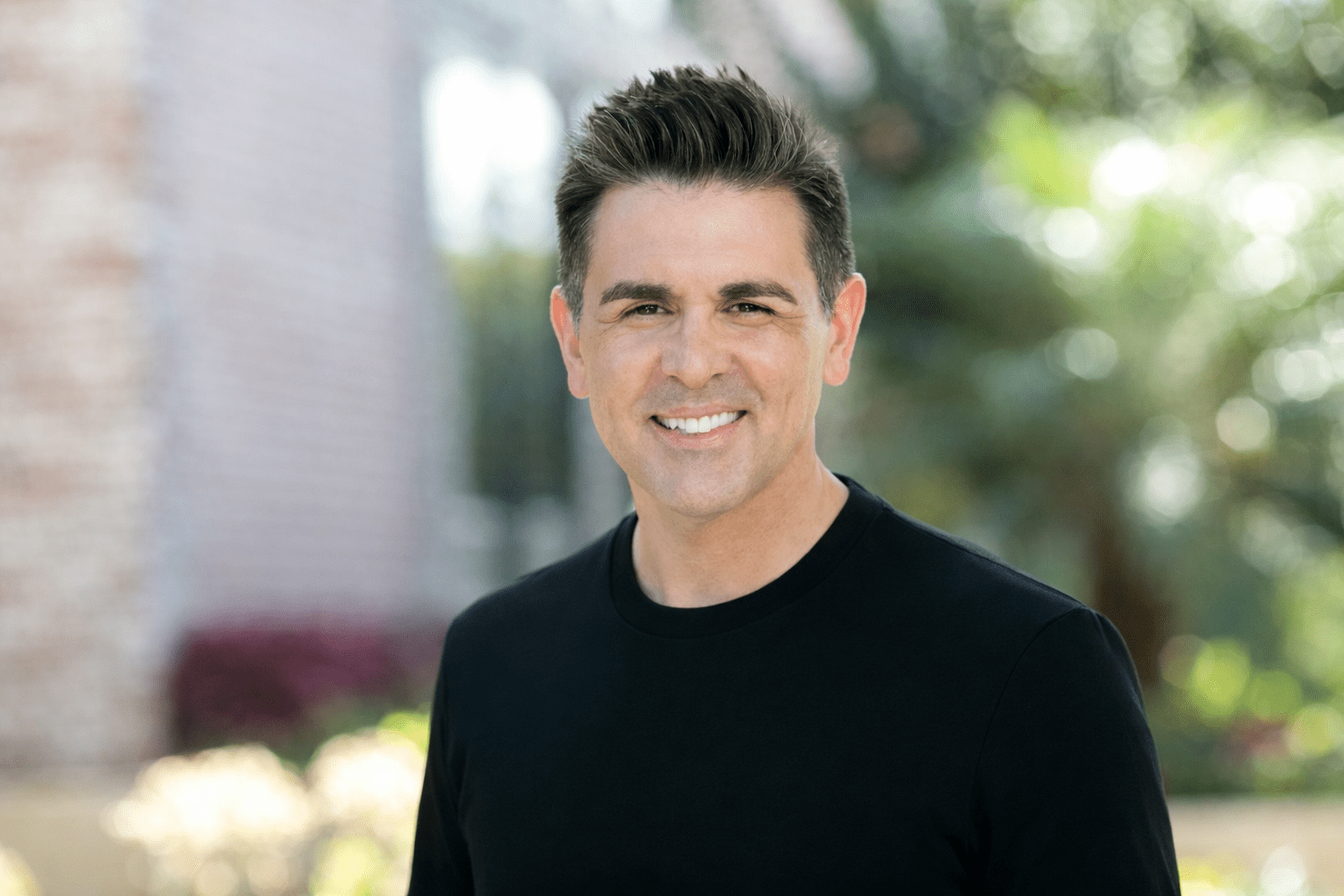
— Christian Graham
Founder, Body360 Fit

![Full Body Kettlebell Workout [PDF] | Body360 Fit](https://body360fit.com/wp-content/uploads/2021/01/Full-Body-Kettlebell-Workout-PDF.png)