Estimated reading time: 8 minutes
Understanding why corrective exercise is important starts with what most training programs skip entirely: checking how the body actually moves before loading it. That gap is how minor imbalances become chronic pain, stalled progress, and recurring injuries.
Corrective exercise fixes what’s underneath — before it becomes a bigger problem that interrupts your training, your work, and your life.
Key Takeaways
- Corrective exercise addresses movement dysfunctions before they lead to chronic pain or injuries, making it crucial for efficient training.
- It focuses on improving movement patterns, which enhances performance and reduces injury risk, especially in adults over 35.
- Implementing corrective exercise as a foundation in training ensures sustainable progress and better overall fitness outcomes.
- Regular movement assessments identify misalignments, allowing for targeted corrective programs that cater to individual needs.
- Treating corrective exercise as proactive maintenance, rather than reactive treatment, helps maintain physical wellness in the long term.
What Makes Corrective Exercise Important for Long-Term Results
When your body moves correctly, every physical effort becomes more efficient. Strength training, cardio, and sport all produce better results when the movement patterns driving them are sound. Corrective exercise is what creates that foundation — and without it, most training programs are building on a flawed base.
For adults over 35, this matters even more. Compensation accumulates over decades of desk work, old injuries, and repetitive movement patterns. The body adapts around dysfunction — until it can’t anymore. At that point, what felt like a minor limitation becomes a significant physical barrier to training and daily life.
The important distinction is that corrective exercise isn’t rehabilitation. It bridges the gap between where your body is and where it needs to be to train hard, move well, and stay healthy over the long term. It’s a performance-focused investment in physical wellness — and it’s important regardless of how long you’ve been training or what your current fitness level is.
Why Corrective Exercise Reduces Injury Risk
Most injuries aren’t accidents. They’re the result of faulty movement patterns that eventually exceed the body’s tolerance under load. Corrective exercise identifies and addresses those patterns before they reach that threshold.
This is especially important for physical training that involves progressive overload. As the weight or intensity increases, so does the demand on every joint and muscle in the kinetic chain. A corrective exercise program ensures the chain is strong where it needs to be — not just in the muscles you can see in the mirror.
Consistent corrective work reduces the overall risk of injury and builds physical resilience — the kind that holds up under real training demands, not just controlled conditions. That resilience is what separates a body that trains for decades from one that cycles through setbacks every few months.
How Corrective Exercises Work to Fix Common Misalignments
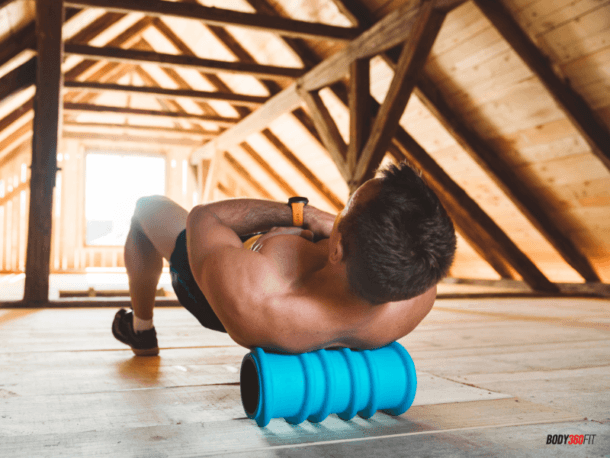
Corrective exercises work by targeting the specific muscles and movement patterns driving a dysfunction — not just the site of discomfort. The process follows a clear sequence: reduce tension in overactive tissue, activate underactive muscles, then integrate corrective movement into functional patterns. Done consistently, this increases flexibility, reduces compensation, and produces changes that actually stick.
The most common misalignments we see in Los Angeles professionals over 35:
- Forward head posture — driven by hours at a screen; loads the cervical spine and shuts down deep neck flexors
- Rounded shoulders — tight pecs and lats pulling the shoulder girdle forward; compromises rotator cuff mechanics
- Anterior pelvic tilt — overactive hip flexors and weak glutes; a common contributor to low back pain presentations
- Hip internal rotation — faulty loading pattern under squat and lunge movements; increases knee injury risk over time
- Thoracic stiffness — limited mid-back mobility that forces the lumbar spine to compensate; a major factor in back pain
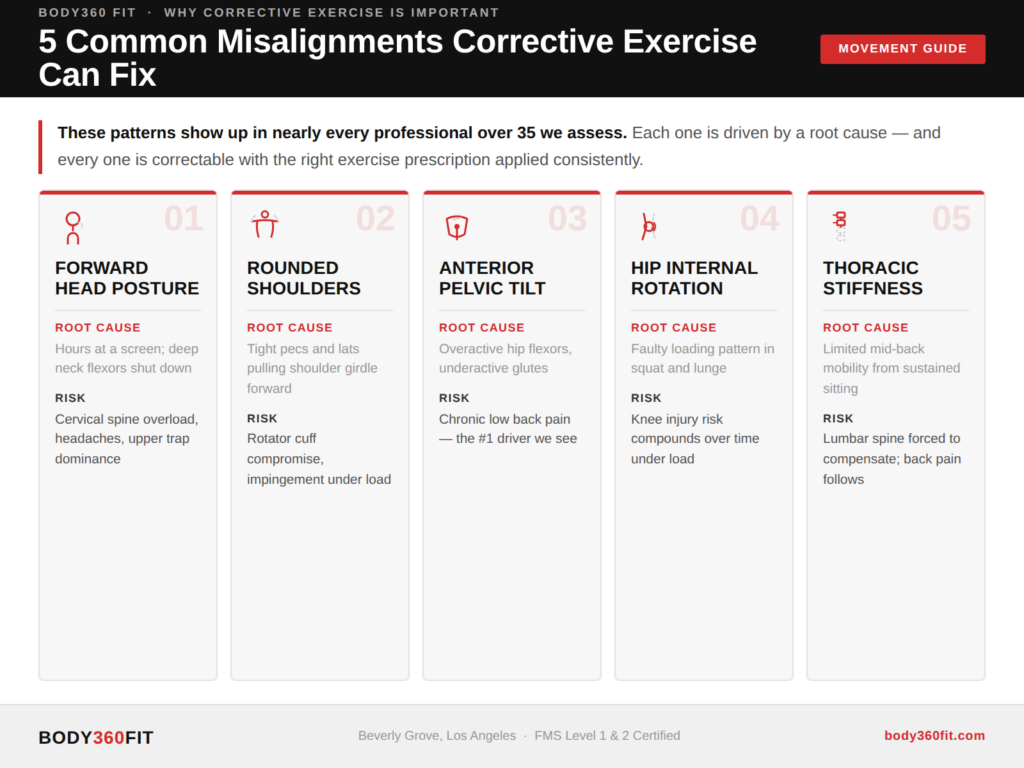
Every one of these is correctable with the right exercise prescription — but only if the pattern is identified first through a proper movement assessment. That’s why every Body360 Fit program begins with an FMS Level 2 screen before any loading begins. We don’t guess at what needs correcting — we know.
Why Corrective Exercise Matters for Strength and Fat Loss
A body working around dysfunction limits its own force production to protect itself. That means less output in every training session — and slower progress toward both strength and fat loss goals. Fix the movement pattern, and the body stops putting the brakes on.
This shows up clearly in compound movements. A squat pattern that’s compensated at the hip will never produce the same glute and leg development as one that’s mechanically sound. You can add weight to a broken pattern for years and still wonder why certain muscles aren’t responding — it’s because they’re not actually doing the work.
Corrective training also enables consistency. Fewer setbacks from pain and injury mean more weeks of productive training over the course of a year. That compounding consistency is what actually drives long-term body composition results — not any single workout.
The Role of Corrective Exercise in Your Training Routine
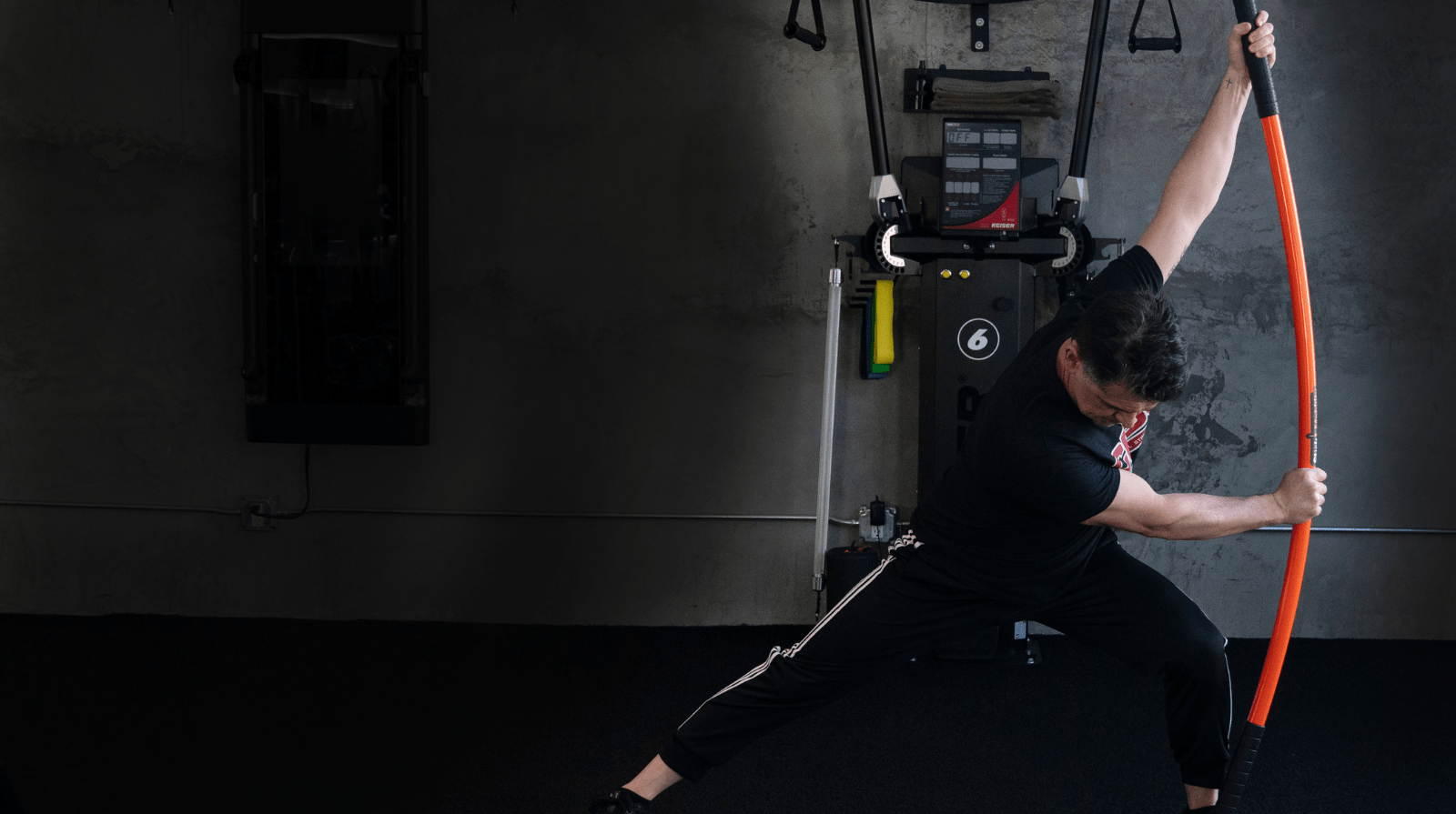
Corrective exercise isn’t a separate category from training — it’s the foundation your training is built on. At Body360 Fit, we never load a pattern we haven’t assessed and cleared. That sequence — assess, correct, then load — is what makes progress sustainable.
Corrective exercises work best at the start of a session before fatigue compromises movement quality, or on dedicated recovery days when the nervous system can absorb the input without competing demands. How often you perform corrective exercises is one of the most important variables in how quickly you see lasting change.
How to Integrate Corrective Exercise for Lasting Physical Results
| Key Benefit | How to Integrate | Frequency | Example Exercises |
| Improves posture and alignment | Include in warm-ups before main workout | 2–4 times per week | Wall slides, T-spine rotations |
| Enhances mobility and flexibility | Incorporate as movement prep or cooldown | Every workout session | Hip flexor stretches, ankle mobility drills |
| Reduces injury risk | Add targeted movements addressing weaknesses | Weekly or per assessment findings | Glute bridges, single-leg balance, Single leg deadlifts |
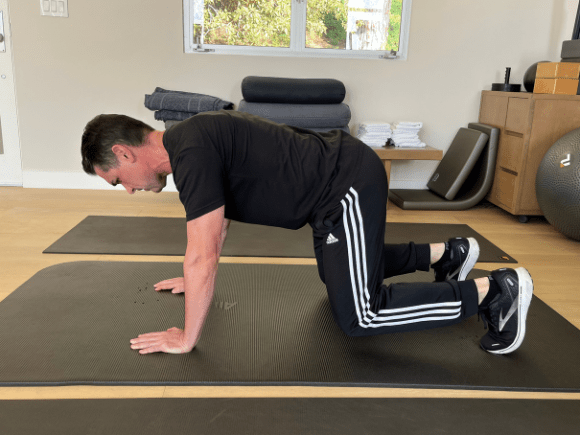
| Supports functional strength | Blend with functional strength training | Consistently, in cycles or as supplemental work | Bird dog, plank variations, deadbug |
Identifying Movement Issues Among Busy Professionals Over 35
Most movement issues in this population come from the same source — years of sedentary professional life layered over old injuries that were never fully rehabilitated. The patterns show up predictably: poor posture, restricted hip mobility, limited thoracic rotation, and asymmetries that get exposed the moment any real load is applied.
The problem is that these patterns are largely invisible until they become painful. You can train consistently for years and not realize your left hip is compensating for a weak right glute — until your lower back starts talking to you. By then the compensation is deeply wired and takes longer to unwind.
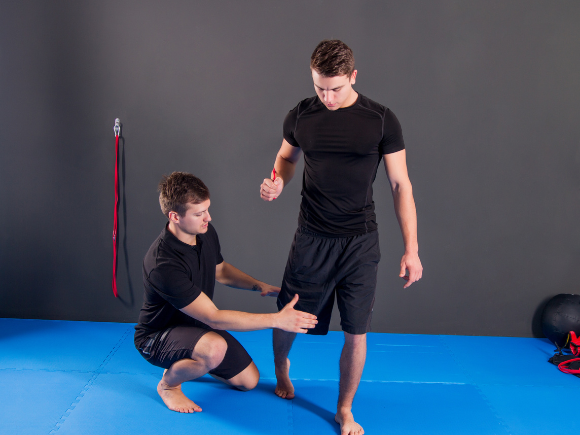
A movement assessment cuts through the guesswork. It identifies exactly which muscles are underactive, which patterns are compensated, and what exercise prescription will actually address the root cause — not just manage the symptom. That assessment is the difference between a corrective program that works and one that’s just exercise.
How to Build a Corrective Exercise Plan That Actually Works
Start with a movement screen — not a symptom list. Pain tells you where the problem shows up; a movement assessment tells you why it’s there. A certified corrective exercise specialist interprets that screen and builds a program around what your body actually needs — everything traces back to what the assessment reveals.
From there, the corrective exercise plan is built around three things: what needs to be inhibited, what needs to be activated, and how those patterns need to be integrated into functional movement. Adjust the plan as your body changes — corrective training is progressive, not static.
- Reassess movement patterns every four to six weeks — not just when something hurts
- Prioritize corrective work before strength training, not after — quality of movement drops with fatigue
- Match your corrective frequency to your dysfunction severity — more compensation requires more corrective input
- Work with a certified corrective exercise specialist, not a generic program — the exercise selection only works if it targets your specific pattern
Individuals who benefit most from corrective exercise vary far more than most people expect — depending on their movement history, dysfunction severity, and training background.
Why Corrective Exercise Is the Foundation, Not the Add-On
Most people treat corrective exercise as something you do when you’re injured or in pain. That framing gets it exactly backwards. Corrective work is most valuable before dysfunction becomes symptomatic — when the patterns are still correctable without the added complexity of active pain.
Think of it as structural maintenance. You don’t wait for a foundation to crack before you reinforce it. The same logic applies to how your body moves under training load. Addressing movement dysfunction early is always faster and less disruptive than managing it after it’s become a problem that keeps interrupting your training.
The clients we train in Los Angeles who move well at 50 and 60 didn’t start corrective work when something broke down. They built it into their training from the beginning — treating physical wellness as a long-term asset, not a reactive fix. That’s not luck — it’s the compounding effect of getting the foundation right and protecting it over time.
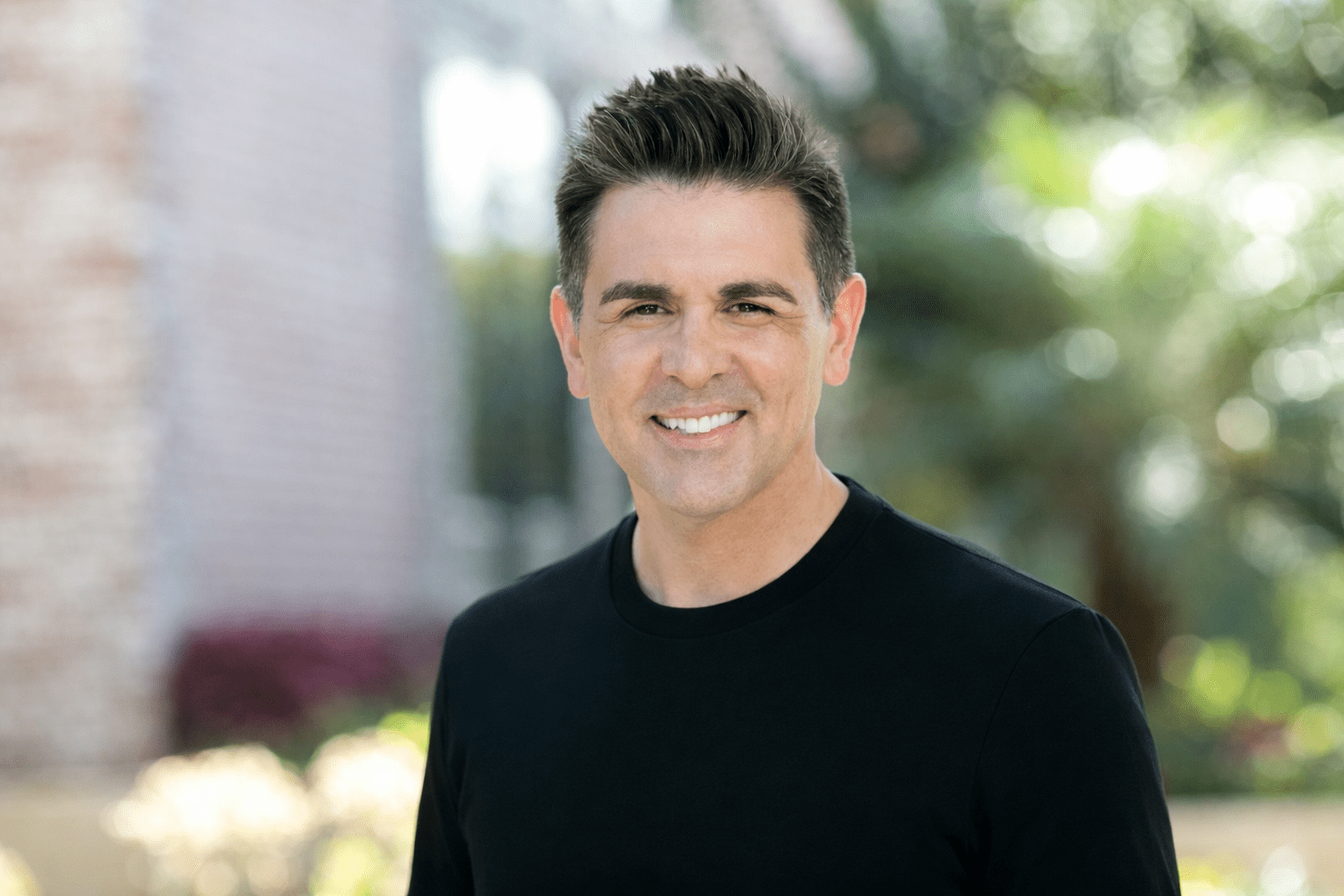
— Christian Graham
Founder, Body360 Fit

![Full Body Kettlebell Workout [PDF] | Body360 Fit](https://body360fit.com/wp-content/uploads/2021/01/Full-Body-Kettlebell-Workout-PDF.png)