Estimated reading time: 10 minutes
If you are asking how does body transformation work, the short answer is that it happens when training, nutrition, recovery, and daily habits all work together over time. A real change in shape, strength, and body composition does not come from one hard week in the gym or one strict diet.
It comes from a repeatable system that helps your body adapt. That system usually includes consistent strength training, a habit-based nutrition approach, enough protein, and lifestyle habits that support recovery.
The goal is not just to weigh less. The goal is to improve your body composition, feel stronger, move better, and build results that last.
For many adults, especially busy professionals, the process works best when it is personalized.
It Starts with a Clear Goal and a Realistic Plan
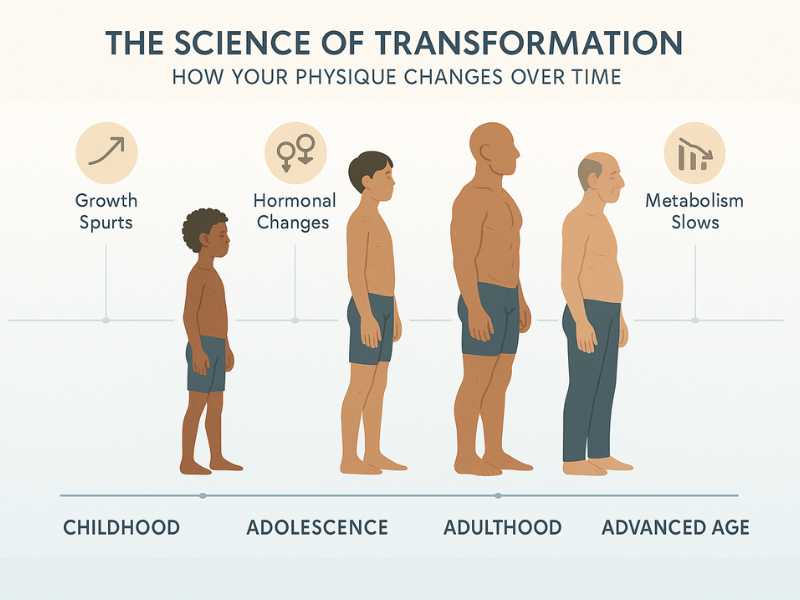
A body transformation works best when the goal is specific. Some people want weight loss. Some want better muscle tone. Some want more strength, more energy, or a leaner look.
Others want a full fitness transformation that changes both how they feel and how they live. All of these are valid goals, but they do not all follow the same path.
That is why a plan matters. Without structure, people often bounce between random diets, intense workout phases, and long stretches of inconsistency.
With structure, progress becomes easier to build. A good plan should answer a few basic questions:
- What is the main goal right now?
- Is the focus fat loss, building muscle, or both?
- How many days each week can you realistically train?
- What kind of eating routine fits your schedule?
- What signs of progress will you track?
This is where many people start to understand how transformation really works. It is not a secret formula. It is a process of matching the right actions to the right goal, then repeating those actions long enough for the body to respond.
A strong plan should also match your lifestyle. If your work is demanding, your plan cannot depend on two-hour workouts and perfect meal prep every day.
If you have a history of inconsistent exercise, your plan should start with habits you can keep.
If your goal is to feel strong and look leaner, you may need a different structure than someone whose only target is rapid scale change.
This is one reason the process often works better with coaching. A coach can help turn a vague goal into a useful system. Instead of guessing, you train with more purpose.
Your Body Changes by Adapting to Repeated Stress and Recovery
The science behind transformation is simple in concept, even if the details can get complex. Your body changes when it is given a reason to adapt.
Training provides the challenge. Recovery gives the body time to respond. Nutrition gives it the materials it needs to do that work.
For example, when you lift weights, your muscles, connective tissue, and nervous system all deal with training stress. If the workout is appropriate and recovery is solid, the body adapts by becoming a little stronger or more efficient. Over time, those small adaptations stack up.
The same is true for fat loss. When your nutrition supports a steady energy deficit, and your activity level stays consistent, the body starts using stored energy.
Done well, that can reduce fat while preserving as much lean muscle as possible. Done poorly, it can lead people to lose lean tissue, feel exhausted, and burn out before they see the result they wanted.
This is why balance matters. If someone trains very hard but eats too little, recovery drops.
If someone eats better but never challenges their muscles, the shape changes they want may come slowly.
If someone has a good meal plan for two weeks and then gives up, the process stalls.
Your body will adjust to the demands you place on it. That is one of the most important points in this topic. If the demand is random, progress is random. If the demand is clear and repeated, progress becomes more likely.
During the first stage, people often notice initial changes such as:
- better workout performance
- less stiffness during the day
- improved energy
- small strength changes
- better awareness around food
- a more stable routine
These early wins matter because they show the process has started, even if the mirror has not changed much yet.
Strength Training Is a Major Driver of Body Transformation
If you want to understand how transformation works, you have to understand the role of strength training. It is one of the main tools for changing how the body looks and performs.
It helps preserve or build muscle, supports better posture, and gives the body a reason to hold on to valuable tissue while losing fat.
This matters because many people think transformation is mostly about cardio and eating less. That is incomplete. For most adults, especially those who want a leaner and stronger look, some form of progressive resistance work is essential.
A training plan works by creating a gradual increase in challenge over time. This is often called progressive overload. It means doing a little more than before in a controlled way.
That could mean more reps, more load, better control, or more total training volume. It does not mean going all out every session. It means giving the body a reason to keep adapting.
A simple example might look like this:
| Week | Main Training Focus | Expected Change |
|---|---|---|
| 1 to 2 | Learn form and establish routine | Better control and consistency |
| 3 to 4 | Increase training volume slightly | Early strength gains |
| 5 to six weeks | Improve effort and movement quality | More visible progress and confidence |
| 7 to 12 | Continue overload with recovery | Better shape, stronger lifts, improved body composition |
This is also where people start seeing why transformation can take time. Bigger visual changes often depend on repeated exposure to quality training.
A few sessions may improve mood or energy. A few months of smart training can reshape the body more clearly.
That does not mean everyone will gain more substantial muscle size quickly. For many adults, especially those with work stress and limited recovery, the first big change is not huge muscle growth.
It often results in better muscle tone, a more stable posture, and more control in movement. Over time, that can develop into real muscle gain and a stronger overall shape.
A smart training structure also lowers the risk of wasting effort. Random circuits and constant soreness do not guarantee progress. A well-built strength plan gives people a way to move forward without guessing.
Nutrition Changes Body Composition by Supporting Fat Loss and Muscle Retention
Training tells the body what to do. Nutrition helps determine how well it can do it. This is why body transformation often depends just as much on eating habits as on workouts.
A good approach does not need to be extreme. In fact, extreme dieting usually works against long-term results.
The better goal is to create an eating routine that supports training, recovery, and steady body composition change. That often includes enough protein, balanced meals, and an intake that matches the goal.
If the goal is fat loss, the person usually needs to eat in a way that supports a moderate calorie deficit. If the goal is muscle gain, they may need enough food to support recovery and growth. If the goal is body recomposition, the process becomes a balance of fat loss and muscle building simultaneously.
A body transformation does not work because someone finds a magic food. It works because daily choices become more aligned with the result they want.
Useful nutrition habits often include:
- building each meal around protein
- planning ahead instead of waiting until hungry
- making food choices that support training energy
- eating enough to recover without overeating
- keeping the routine realistic for work and family life
This is where many people finally stop spinning their wheels. They move away from crash dieting and start using food to support the result they actually want. That is how the system becomes sustainable.
Recovery and Lifestyle Changes Are What Keep the Process Moving
Transformation does not happen during the workout alone. It happens when the body recovers from the work. That means sleep, rest, stress control, and daily routine all matter more than many people realize.
This is especially true for adults over 35. Recovery tends to matter more as life gets busier and the margin for poor habits gets smaller. Someone can have a good training plan, but if they sleep poorly, skip meals, and stay under constant stress, the results may slow down.
That is why lifestyle changes are part of the process. These do not need to be dramatic. They just need to support consistency. Helpful changes often include:
- going to bed at a more regular time
- reducing all-or-nothing thinking
- creating a repeatable training schedule
- planning food before the day gets chaotic
- taking recovery seriously instead of treating it as optional
Recovery also protects muscle during fat loss. When people under-eat, overtrain, and ignore rest, they are more likely to feel run down and lose lean tissue. A better plan protects performance while supporting change.
One of the most useful mindset shifts is understanding that progress is not only what happens during hard effort. Progress also comes from the choices that let hard effort work. That includes rest days, sleep, hydration, and pacing.
Tracking Progress Helps You Make Better Adjustments
A body transformation works better when you track the right things. Many people use only the scale. That can be frustrating because scale weight does not always reflect what is happening with body composition.
Better markers of progress can include:
- progress photos
- waist and hip measurements
- how clothes fit
- workout numbers
- energy and recovery
- changes in posture or movement
- consistent performance in the gym
This matters because transformation often happens in layers. A person may look similar after two weeks but already be moving better and lifting more. Another may stay at a similar body weight while losing fat and adding muscle. If they only look at the scale, they may think nothing is working.
Tracking also helps when progress slows down. Plateaus are normal. They do not always mean failure.
Sometimes they mean the body has adapted, and the system needs a small change. That might mean adjusting training volume, tightening up food choices, or improving sleep.
This is another place where coaching can be valuable. A good coach can look at the bigger picture and decide what to change without overreacting.
Common Mistakes That Make Transformation Harder
Many people do not struggle because the process is impossible. They struggle because they keep using systems that are hard to maintain.
Common mistakes include:
- choosing a plan that is too aggressive
- doing random workouts without progression
- focusing only on weight loss instead of body composition
- eating too little and feeling drained
- not getting enough protein
- expecting big visual changes in a very short time
- quitting when the first burst of motivation fades
Another mistake is treating the process like a sprint. Real transformation is built through repeated effort. That is not flashy, but it works. Making significant changes usually means changing what happens most days, not just what happens on your most motivated days.
A Smarter Way to Start
The best body transformations usually come from clear goals, structured training, realistic eating habits, and enough recovery to let the body adapt. That is how the process works in real life. It is not about punishing the body. It is about giving it the right inputs, then repeating them long enough for meaningful change to happen.
If you want help building that kind of system, Body360 Fit can help you take the next step. A personalized plan can make the process clearer, more efficient, and easier to maintain. That gives you a better chance to improve strength, change body composition, and move toward lasting results with more confidence.
— Christian Graham
Founder, Body360 Fit


![Full Body Kettlebell Workout [PDF] | Body360 Fit](https://body360fit.com/wp-content/uploads/2021/01/Full-Body-Kettlebell-Workout-PDF.png)