
Estimated reading time: 10 minutes
Strength training is a form of physical activity that challenges your muscles against resistance. That resistance may come from free weights, weightlifting machines, resistance bands, cables, or your own body weight. When performed consistently, it can help you build muscle, improve
movement, support healthy body composition, and handle daily activities with greater confidence.
What is strength training? You don’t need to be an athlete or lift heavy weights to benefit. A beginner might start with supported squats, resistance-band rows, or light dumbbell presses. Someone with greater experience may use barbells, kettlebells, or advanced exercise variations. In each case, the goal is to apply a suitable challenge, recover, and gradually increase what the body can do.
The quality of the program matters as much as the equipment. Exercise selection, proper form, sets, repetitions, recovery, and progression all influence the result. A program should also account for your goals, training history, schedule, mobility, and current fitness level.
Body360 Fit applies these principles through private, one-on-one personal training in Beverly Grove. Each new client starts with a complimentary Functional Movement Screen, which helps the trainer identify movement limitations and build a plan around the clientʼs body, goals, and schedule.
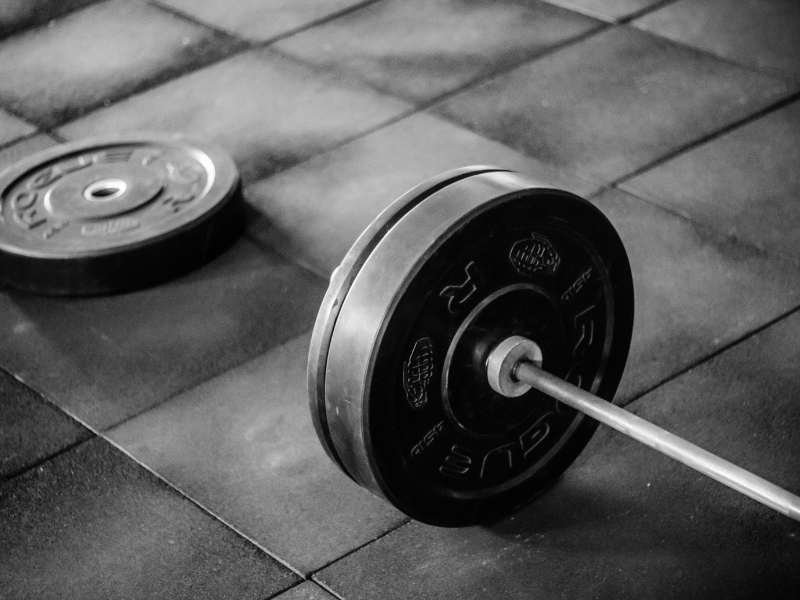
How Strength Training Uses Resistance to Change Your Body
Strength training is based on adaptation. During an exercise, your muscles contract to create or control force. A squat challenges the legs, hips, and core. A row trains the back and arms. A loaded carry requires grip strength, posture, and full-body stability.
The body recognizes this work as a physical demand. After the session, trained tissues recover and prepare to manage that demand again. When the workload increases gradually, the muscles and nervous system continue adapting.
Early progress often comes from improved coordination. Your brain becomes better at recruiting the right muscle fibers, maintaining balance, and controlling each movement. An exercise that initially felt awkward may begin to feel smoother before you see a noticeable change in muscle mass.
Over time, regular resistance training can increase the size and capacity of muscle fibers. It can also improve muscle strength, joint control, and tolerance for physical activity. These changes make it easier to lift, carry, climb stairs, play sports, or maintain good posture during a long workday.
Progressive overload keeps the process moving forward. It means gradually
increasing the challenge as your body becomes stronger.
A trainer may do this by:
- Adding a small amount of weight
- Increasing the number of reps or sets
- Improving range of motion
- Slowing the lowering phase of an exercise
- Reducing assistance during a body-weight movement
- Using a harder exercise variation
Progress doesn’t require adding heavy weights every week. Better control, cleaner technique, and greater stability are also meaningful improvements. The right increase should challenge the muscles without causing form to break down.
Recovery completes the process. Muscles need time, sleep, hydration, and adequate nutrition after a workout. Training harder without recovering well can lead to persistent soreness, poor performance, and stalled results. A productive routine balances effort with enough recovery to support the next session.
Types of Strength Training and Exercises Used
There’s no single type of strength training that works for every person. Different tools can produce resistance, and each offers practical advantages. A good program may use several methods based on the clientʼs ability and goals.
| Training method | Examples | How it creates resistance | Common uses |
|---|---|---|---|
| Body-weight exercise | Squats, push-ups, lunges, planks | Uses body weight as the load | Learning movement patterns, training at home, and improving control |
| Free weights | Dumbbells, barbells, kettlebells | Requires the body to control a freely moving load | Building strength, muscle mass, coordination, and stability |
| Weightlifting machines | Leg press, chest press, seated row | Guides the weight through a fixed path | Supporting beginners and targeting a specific muscle group |
| Resistance bands | Band rows, presses, and lateral walks | Creates elastic tension through the movement | Warm-ups, home training, travel, and adjustable resistance |
| Cable systems | Pulldowns, rotations, cable presses | Maintains tension through a pulley system | Training through different angles and ranges of motion |
| Isometric exercise | Planks, wall sits, loaded holds | Creates force without visible joint movement | Developing stability and control in a set position |
The tool matters less than how it’s used. Dumbbells can be effective, but they won’t produce strong results if the resistance is too light, the movement is poorly controlled, or the program never progresses. Body-weight exercises can also be demanding when the angle, range, tempo, or leverage is adjusted properly.
Most full-body programs are organized around basic movement patterns. These patterns prepare the body for both structured exercise and daily tasks:
- Squat: Bending through the knees and hips to lower and raise the body.
- Hinge: Moving through the hips while maintaining control through the
trunk. - Push: Moving resistance away from the body with the chest, shoulders, and arms. 4. Pull: Bringing resistance toward the body with the back and arms.
- Carry: Walking while controlling an external load and maintaining
posture.
A program may also include rotation, anti-rotation, balance, mobility, and corrective work. The exercises used should reflect what the person needs rather than follow a fixed list.
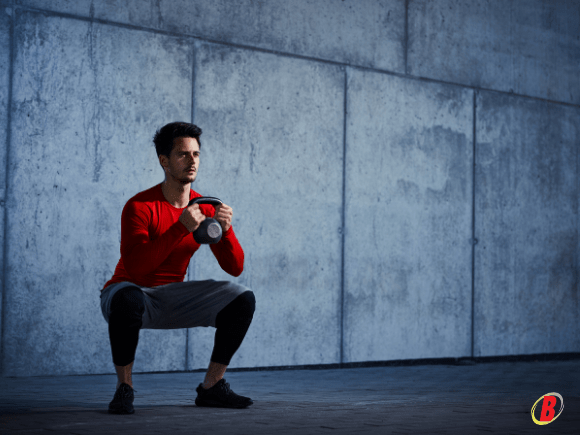
For example, a beginner may learn a squat while holding a support. A stronger client may use a goblet squat or barbell variation. Both people are training the same general pattern, but the resistance and complexity match their current abilities.
Strength Training Benefits for Health and Daily Life
The benefits of strength training extend well beyond visible muscle. Stronger muscles can make routine activities less demanding. Carrying groceries, moving furniture, lifting luggage, standing from a low chair, and climbing stairs all require the body to produce and control force.
Training can also support better posture and joint stability. Muscles help guide movement and maintain alignment around the hips, knees, shoulders, and spine. When a program strengthens weak areas and improves control, the body may handle daily stress with less unnecessary strain.
Regular strength work can support:
- Greater muscle strength and functional capacity
- Increased or maintained lean muscle mass
- Stronger bones and connective tissues
- Better balance, coordination, and posture
- Improved confidence during physical activity
- Greater resilience for work, travel, sports, and recreation
- Healthy weight management when paired with suitable nutrition
- Better awareness of movement and body mechanics
Strength training can help you keep lean tissue while losing body fat. A calorie deficit is still needed for weight loss, but resistance exercise gives the body a reason to preserve muscle. This can support a stronger, firmer appearance as body composition changes.
Building muscle also affects energy use. Muscle tissue requires energy to maintain, although adding muscle doesn’t create an unlimited metabolic boost. The larger benefit comes from combining resistance exercise with regular movement, balanced nutrition, sleep, and habits that can be maintained.
Women can use the same basic principles as men. The appropriate program depends on the individual rather than gender alone. Many women train to improve muscle tone, support bone health, manage body weight, increase strength, or feel more capable during daily activities.
People with PCOS may also use strength training as one part of a broader health plan. Exercise needs can vary, so anyone managing a medical condition should speak with a qualified healthcare professional and follow advice suited to their situation.
Strength training may be used in clinical or corrective settings as well, but those programs require suitable supervision. Pain, recent surgery, dizziness, an unmanaged health condition, or a new injury should be evaluated before beginning a demanding routine.
Strength Training for Beginners, at Home, or in a Gym
Beginners often assume they must improve their fitness before starting. In reality, resistance work can be scaled to a very accessible level. The starting point might include body-weight movements, light weights, or machines that provide added stability.
A beginner doesn’t need a long list of exercises. Two or three full-body workouts per week can provide enough practice and recovery for many people. Each workout may include one exercise from several major movement categories, followed by mobility or conditioning work when appropriate.
A simple session could include:
- A squat or sit-to-stand variation
- A hip hinge or glute bridge
- A row using a band, cable, or dumbbell
- A push-up or chest press variation
- A loaded carry or core stability exercise
Start with resistance that allows controlled repetitions. The final reps should require effort, but you should still be able to maintain your posture and intended range of motion. One to three sets of each exercise may be enough during the early stages.
You can strength train at home without weights. Squats, lunges, push-ups, bridges, planks, and step-ups all use body weight to create resistance. Bands, adjustable dumbbells, or a kettlebell can add variety without requiring a full gym.
Home training is convenient, but it also places responsibility on you to select suitable exercises and monitor form. Videos and templates can’t see whether your knees shift, your back position changes, or you’re compensating for limited mobility.
A commercial gym provides equipment and variety, although crowded spaces may make it harder to follow a structured plan. Waiting for equipment or switching exercises based on availability can interrupt the flow of a workout.
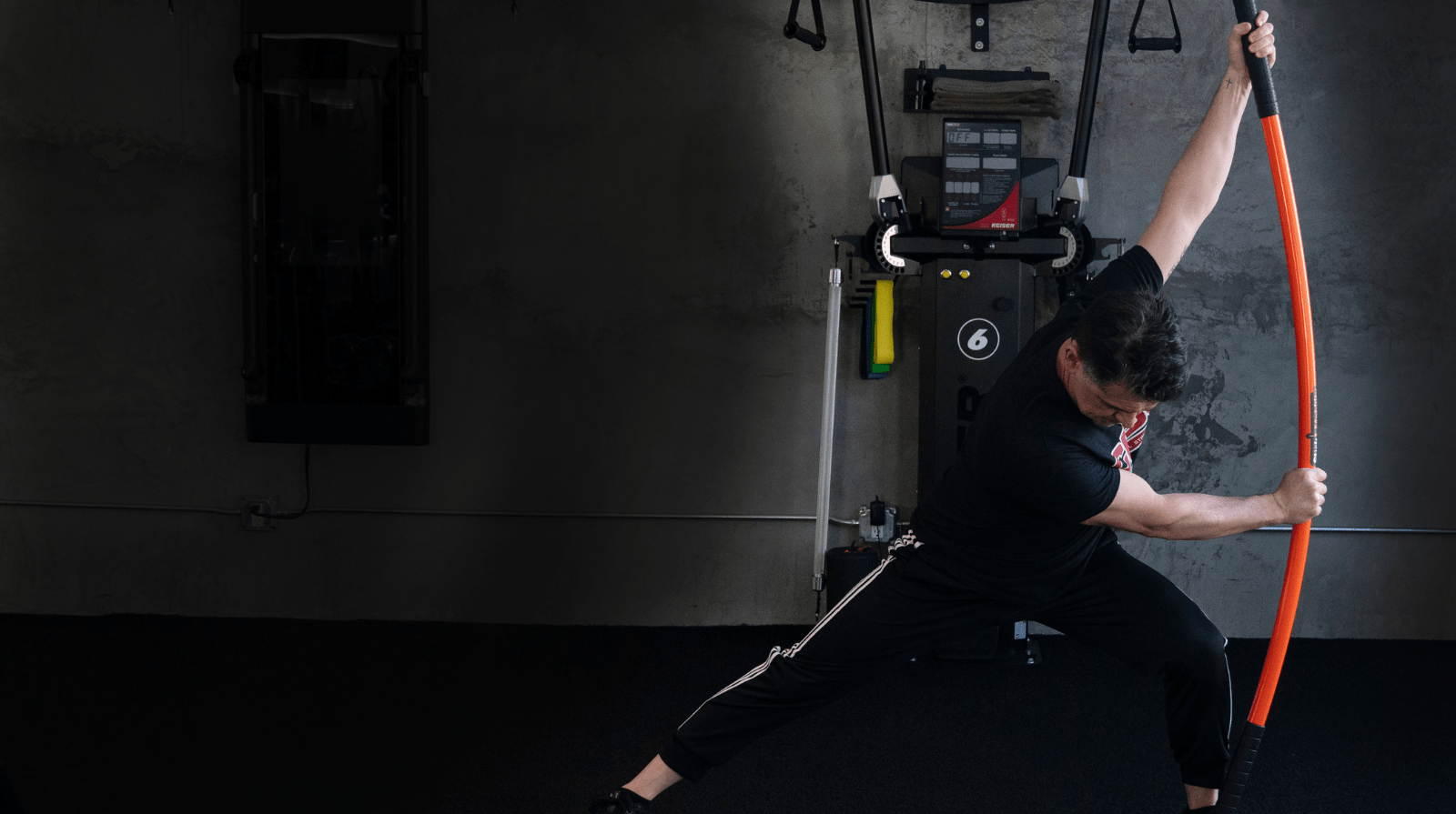
Private personal training offers a different experience. At Body360 Fit, clients train in a focused studio without the crowds and distractions of a large gym. A trainer can watch each repetition, make immediate corrections, and choose the equipment that fits the person rather than forcing the person to fit a generic routine.
Why Assessment and Personalized Training Improve Results
An effective program starts with understanding how the client moves. Two people may have the same goal but need different exercises because of their posture, mobility, injury history, or level of experience.
A Functional Movement Screen gives the trainer a clearer view of basic movement patterns. It may reveal limited mobility, side-to-side differences, balance issues, or compensation patterns that could affect exercise selection.
The screen doesn’t replace medical diagnosis. Its purpose is to provide practical information for program design. A trainer can use the results to decide which movements to prioritize, modify, or temporarily avoid.
Body360 Fit uses this assessment before writing a clientʼs training plan. The program may combine strength, fat loss, corrective exercise, mobility, and conditioning based on the personʼs goals and starting point. Metrics are tracked, and programming is adjusted as the client improves.
This individual approach helps remove several common problems:
- Random workouts that don’t build toward a specific outcome
- Exercises that don’t match the clientʼs current ability
- Poor form that continues without correction
- Training volume that exceeds the personʼs recovery capacity
- Long periods without measurable progression
- Wasted time deciding what to do during each session
Personal coaching also provides accountability. Scheduled sessions create structure, while direct feedback helps clients understand how each exercise supports their goals. That education can improve confidence both inside and outside the studio.
The private environment supports focused work. There’s no need to wait for equipment or compare your performance with other gym members. Your trainer can adapt the workout in real time based on movement quality, energy, soreness, or a temporary limitation.
For busy professionals, that precision can make training easier to maintain. Each session follows a defined plan, uses the available time well, and contributes to a larger progression instead of feeling like an isolated workout.
Build Strength with a Plan That Fits Your Body
Strength training is a flexible form of exercise that can serve beginners, experienced
lifters, older adults, athletes, and people returning after time away. It uses resistance
to challenge the muscles and create gradual physical adaptation.
Free weights, resistance bands, machines, and body-weight exercises can all work. Results depend on choosing appropriate movements, using sound technique, progressing the workload, and recovering between sessions.
Body360 Fit provides private personal training for people who want a focused, personalized path to better strength, movement, and body composition. Every new client begins with a complimentary Functional Movement Screen, followed by a plan built around current ability, training history, goals, and schedule.
Book your free assessment at Body360 Fit to learn where to start and what type of
strength program fits your body.
— Christian Graham
Founder, Body360 Fit


![Full Body Kettlebell Workout [PDF] | Body360 Fit](https://body360fit.com/wp-content/uploads/2021/01/Full-Body-Kettlebell-Workout-PDF.png)