Estimated reading time: 9 minutes
Starting a body transformation can feel overwhelming when you are not sure what to do first. Many people jump into hard workouts, cut calories too fast, or follow plans that do not fit their schedule.
That usually leads to frustration, inconsistent effort, and results that do not last. The better approach is to start with a clear plan built around your current fitness level, your daily routine, and your long-term goals.
At Body360 Fit, the goal is not quick fixes. It is steady progress that helps professional men and women over 35 improve body composition, build strength, lose body fat, and create habits they can actually maintain.
If you are asking what is the best way to start body transformation, the answer is simple. Start with structure. Assess where you are, set realistic goals, train with purpose, improve nutrition, and stay consistent long enough to let the work add up.
Start With a Real Assessment of Your Current Body and Routine
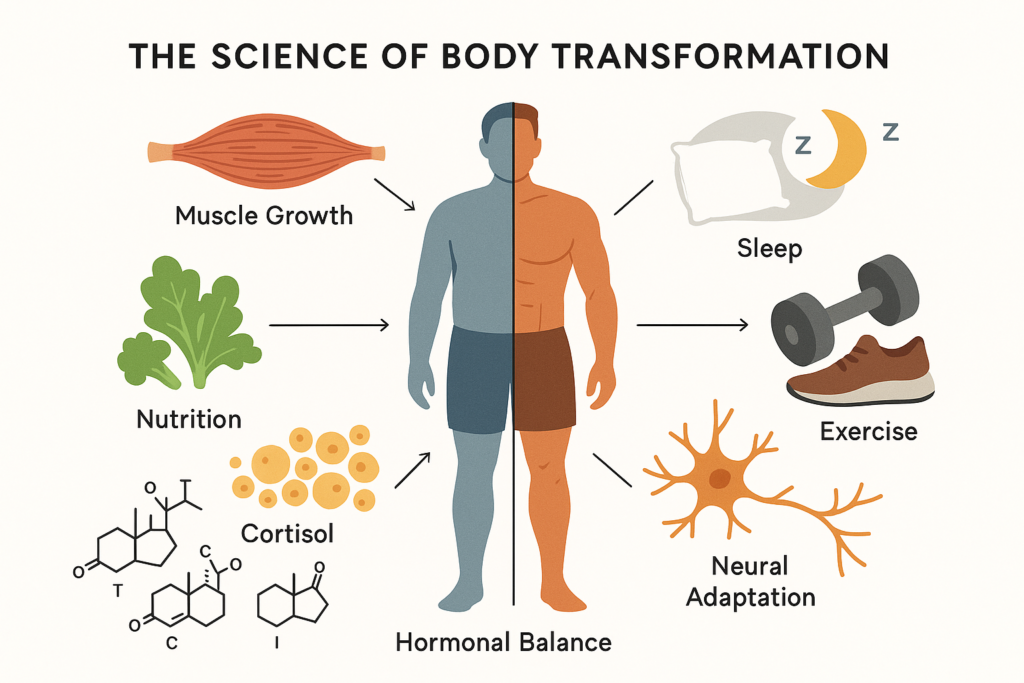
Before you choose a fitness program, you need a clear picture of your starting point. That means more than stepping on a scale once and guessing from there. Weight matters, but it does not tell the full story.
Your body composition, movement quality, energy levels, schedule, sleep, stress, and current eating habits all affect how well your plan will work. Even general health sources note that body weight alone cannot show the full picture because it includes muscle, bone, fat, and water.
A useful starting assessment should include a few simple questions.
- How active are you now?
- How often do you exercise?
- Are you already completing strength training, or are you mostly sedentary?
- Do you have pain, stiffness, old injuries, or major stress from work?
- Are you skipping meals and overeating later?
These details change how your program should be built.
This step also helps change how you think about progress. Instead of chasing a random number, you can focus on what actually matters: better movement, more strength, reduced body fat, improved habits, and visible progress over time. That creates a smarter starting point and a better chance of long-term transformation.
Set One Clear Goal First
People often fail because they try to fix everything at once. They want rapid fat loss, more muscle, perfect nutrition, daily workouts, better sleep, and full motivation from day one. That is too much. A better plan starts with one main goal and a few supporting habits.
For some people, the first goal is fat loss. For others, it is building muscle mass, improving energy, or creating consistency with workouts. The goal should be specific and realistic. Public health guidance consistently recommends realistic goals rather than extreme targets, and gradual progress tends to be easier to maintain than aggressive short-term change.
A strong first goal might look like this:
- Train at least twice per week for the next four weeks
- Hit a daily protein intake target with breakfast and lunch
- Walk 20 to 30 minutes on most days
- Lose 5% of starting body weight over time through steady changes
- Improve strength in five basic exercises
This gives your body transformation a clear direction. It also makes progress easier to measure. When the goal is realistic, you are more likely to stick to the process and keep building momentum.
Build Your Fitness Program Around Strength Training
If your goal is to improve body composition, strength training should be a central part of the plan. That does not mean spending hours in the gym or training like an athlete. It means using resistance exercise to help build or maintain muscle while improving function, posture, and movement quality.
The general recommendation for adults is at least 150 minutes of moderate aerobic activity per week plus muscle-strengthening activity on 2 or more days per week. That baseline is a solid starting point for most adults, especially when the goal is better health, weight management, and stronger muscles.
For beginners, the goal is not to do everything. The goal is to start slowly and focus on the basics. A strong program should include movements like:
- Squats or sit-to-stand patterns
- Hinges, such as deadlift variations
- Push movements
- Pull movements
- Core stability work
- Walking or other simple conditioning
Completing strength training on a regular schedule helps build muscle, support fat loss, and improve how your body moves. It also gives structure to your week. For busy professionals, that structure matters. When training is scheduled like any other appointment, consistency improves.
A smart fitness program also progresses gradually. You do not need perfect workouts. You need repeatable ones. Over time, that is what leads to results.
Use Nutrition to Support Fat Loss and Muscle
Training matters, but nutrition shapes whether your body transformation actually moves forward. The goal is not to follow a harsh diet plan that you cannot maintain. The goal is to eat in a way that supports training, recovery, and steady fat loss while helping you hold onto muscle.
Health guidance from NIDDK and CDC supports a reduced-calorie eating pattern that includes nutrient-dense foods and can be maintained over time, rather than a short-term crash approach. Regular physical activity and healthy eating patterns work best together.
For most people, a good starting point includes:
- Building meals around lean protein
- Including vegetables and high-fiber foods
- Reducing liquid calories and frequent snacking
- Planning meals ahead of busy days
- Using a calorie calculator as a rough guide, not a rule you obsess over
Protein matters because it helps support muscle mass during a fat loss phase. You do not need a perfect diet. You do need steady habits that make your nutrition easier to manage.
One useful first step is to try increasing your protein intake at the first two meals of the day. That can help with fullness, meal quality, and consistency.
The big picture is this: your workouts create the reason for change, and your nutrition supports it. When both are aligned, body recomposition becomes much more realistic.
Habit Formation Is What Keeps the Plan Working
Most people already know they should exercise and eat better. The real issue is doing it consistently. That is why habit formation matters so much. Lasting transformation depends less on motivation and more on systems.
The CDC’s guidance on healthy weight loss emphasizes planning, tracking, support, stress management, and enough sleep. Those are not side topics. They are part of the process.
A few small habits can create major change:
- Put workout times in your calendar
- Keep simple high-protein foods in plain sight
- Prep two or three easy meals for the week
- Track workouts, steps, or meals in a simple way
- Set a regular bedtime most nights
This is how you develop momentum. You remove friction. You make better choices easier. You stop relying on willpower and start building routines that fit your real life.
Habit formation also helps during hard weeks. Work gets busy. Sleep is off. Travel happens. Stress goes up. If your plan only works under ideal conditions, it will fail. But if you have a few habits locked in, you can still keep moving forward.
Recovery, Sleep, and Stress Need a Place in the Plan
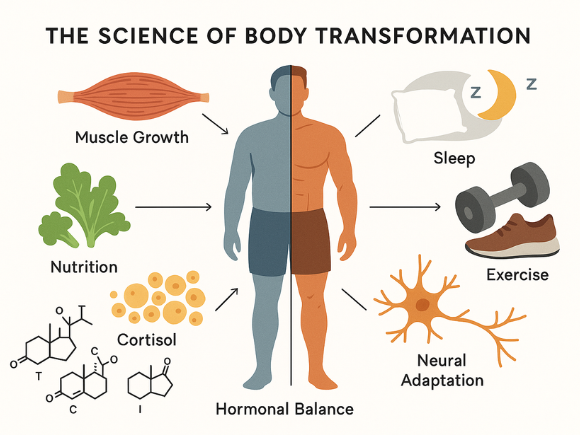
A body transformation plan should never be built on training alone. Recovery is part of progress. Sleep, stress, and rest days affect energy, hunger, training quality, and consistency. The CDC includes sleep and stress management as part of healthy weight loss, not as optional extras.
This matters even more for adults over 35. Many people in this stage of life are balancing demanding jobs, long commutes, family responsibilities, and inconsistent schedules. That means recovery cannot be an afterthought.
A better plan includes:
- Strength training sessions that are challenging but manageable
- At least one full rest day each week
- Daily movement that does not feel punishing
- A regular sleep routine, when possible
- Adjustments when life gets hectic instead of quitting altogether
This approach protects your progress. It also improves the quality of your workouts. A tired, stressed body does not usually perform well. A better-recovered body is more likely to train hard, recover well, and keep going.
A Simple Weekly Structure That Works
You do not need an advanced program to begin. You need one that matches your current level and schedule. Here is a simple example of how a beginner or returning client might structure a week:
| Day | Focus | Main Goal |
|---|---|---|
| Monday | Strength training | Full-body workout |
| Tuesday | Walking or light activity | Recovery and movement |
| Wednesday | Strength training | Full-body workout |
| Thursday | Walking or mobility | Recovery and habit support |
| Friday | Optional cardio or movement | Extra activity |
| Saturday | Longer walk or recreation | Consistency and energy output |
| Sunday | Rest | Recovery |
This kind of plan helps you exercise regularly without making the week feel overwhelming. It also supports fat loss, strength training, and habit formation at the same time. You can build from here gradually as your fitness improves.
Common Mistakes That Slow Down Results
A lot of people work hard and still struggle because the plan itself is weak. Here are some of the most common mistakes:
Starting too aggressively
Doing too much too soon often leads to soreness, burnout, or missed workouts. A better approach is to start slowly, build confidence, and add more as your body adapts.
Focusing only on weight
The scale can change for many reasons. Better indicators include body composition, measurements, strength gains, photos, energy, and how clothes fit.
Skipping strength work
Many people focus only on cardio when they want fat loss. Cardio can help, but strength training is a major driver of muscle retention and long-term physical change.
Using an unsustainable diet
A diet plan that cuts too much food too fast usually does not last. A plan you can follow for months will beat a perfect plan you quit in two weeks.
Not tracking anything
You do not need to track every detail forever, but some level of tracking helps. Workouts logged. Meals noted. Steps counted. Progress reviewed. Those actions make adjustments easier.
Training without support
The CDC and NIDDK both point to the value of support, follow-up, and structured planning in behavior change and weight management.
Why a Personalized Program Works Better
The best body transformation plan is one you can follow in real life. That is why personalization matters. A good coach does not just hand you workouts. They look at how you move, what your schedule allows, what your body can handle, and what kind of support will help you stay consistent.
That is especially important for professionals over 35. A generic online program may not account for stiffness, old injuries, work stress, inconsistent sleep, or years of stop-and-start fitness efforts. A personalized program can be built around those realities instead of ignoring them.
Body360 Fit’s centers on private coaching, movement-based assessment, strength training, accountability, and programs built for busy Los Angeles clients who want structure and support. When that structure is in place, the path becomes clearer. You know what to do, when to do it, and how to adjust when life changes.
The Best Way to Start Is to Start With a Plan You Can Sustain
The best way to start body transformation is not with an extreme challenge or a short burst of motivation. It is with a realistic plan that improves your movement, supports fat loss, builds muscle, and fits your life well enough to keep going.
Start with an honest assessment. Set one clear goal. Build your week around strength training and regular activity. Improve your nutrition without making it overly rigid. Focus on habit formation so progress feels repeatable, not random. Then give the process enough time to work.
That is what creates real transformation. Not perfection. Not intensity for a week. A clear program, steady effort, and support that keep you moving forward.
— Christian Graham
Founder, Body360 Fit

![Full Body Kettlebell Workout [PDF] | Body360 Fit](https://body360fit.com/wp-content/uploads/2021/01/Full-Body-Kettlebell-Workout-PDF.png)